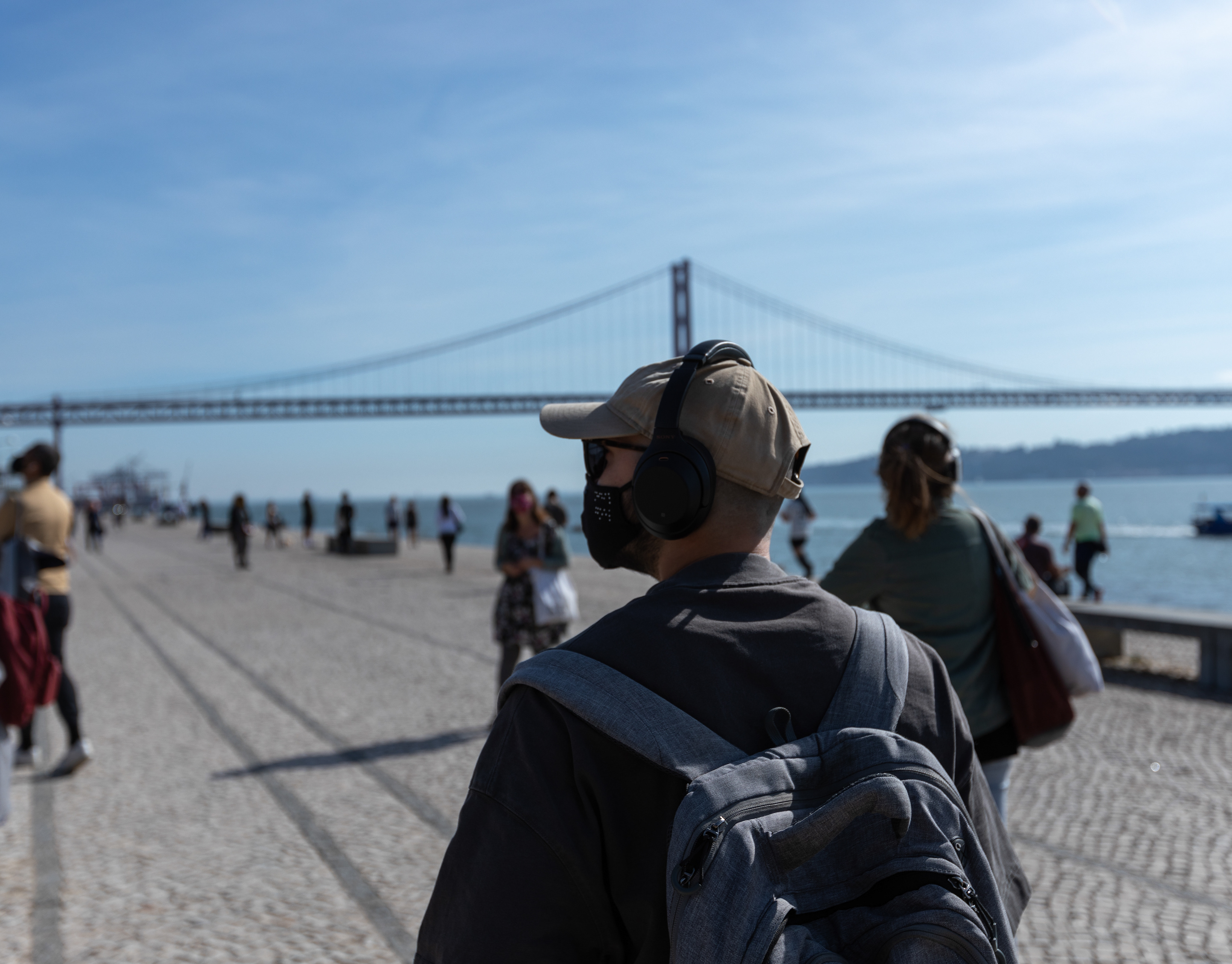
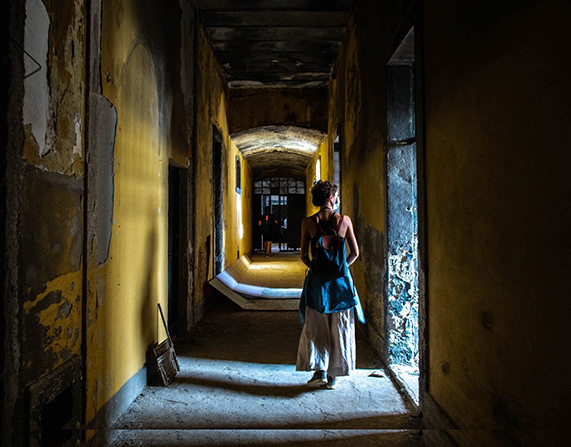
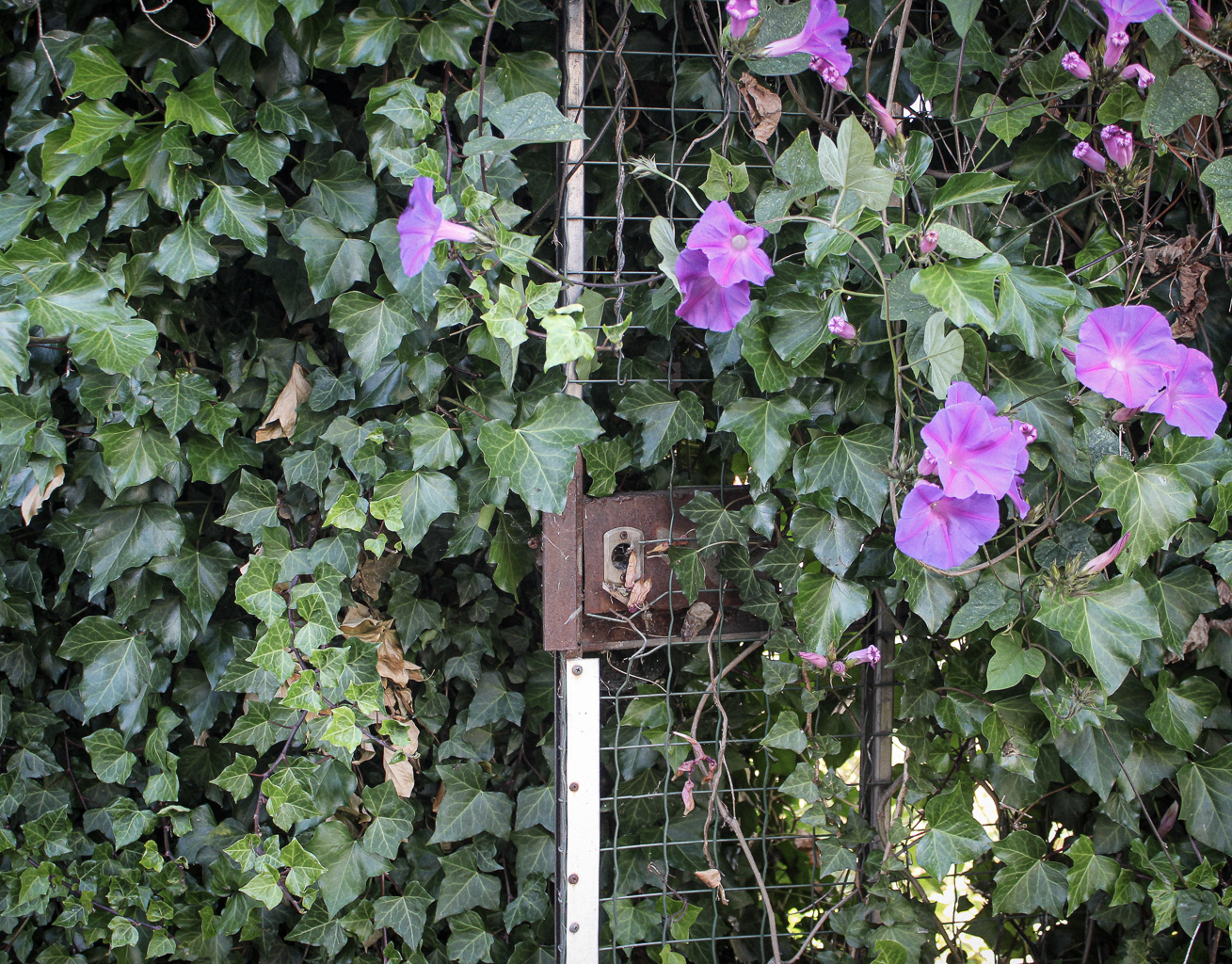
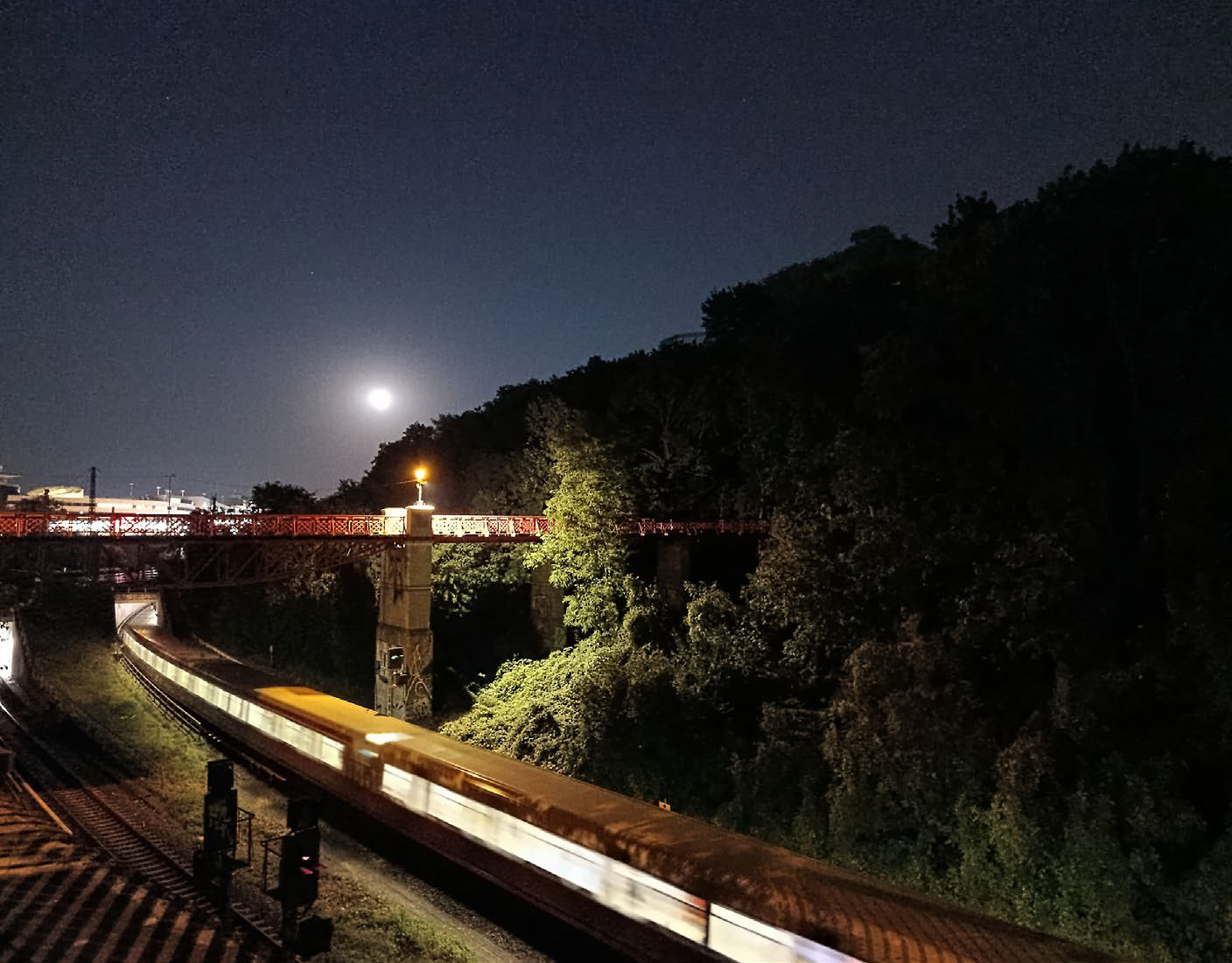
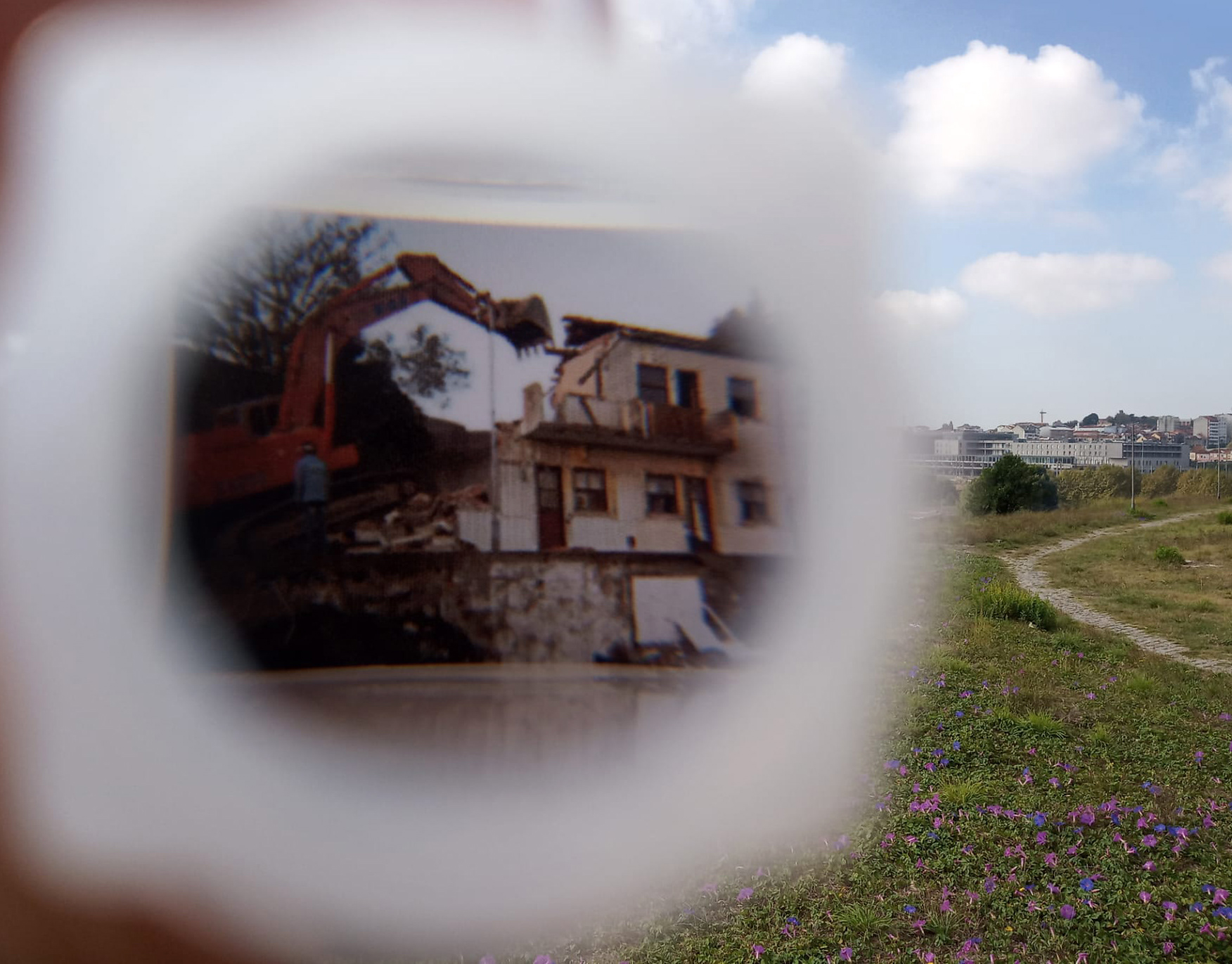
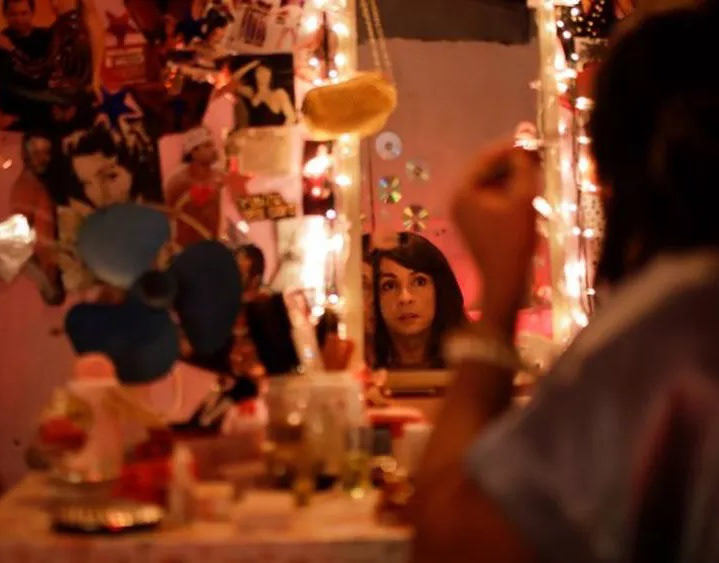
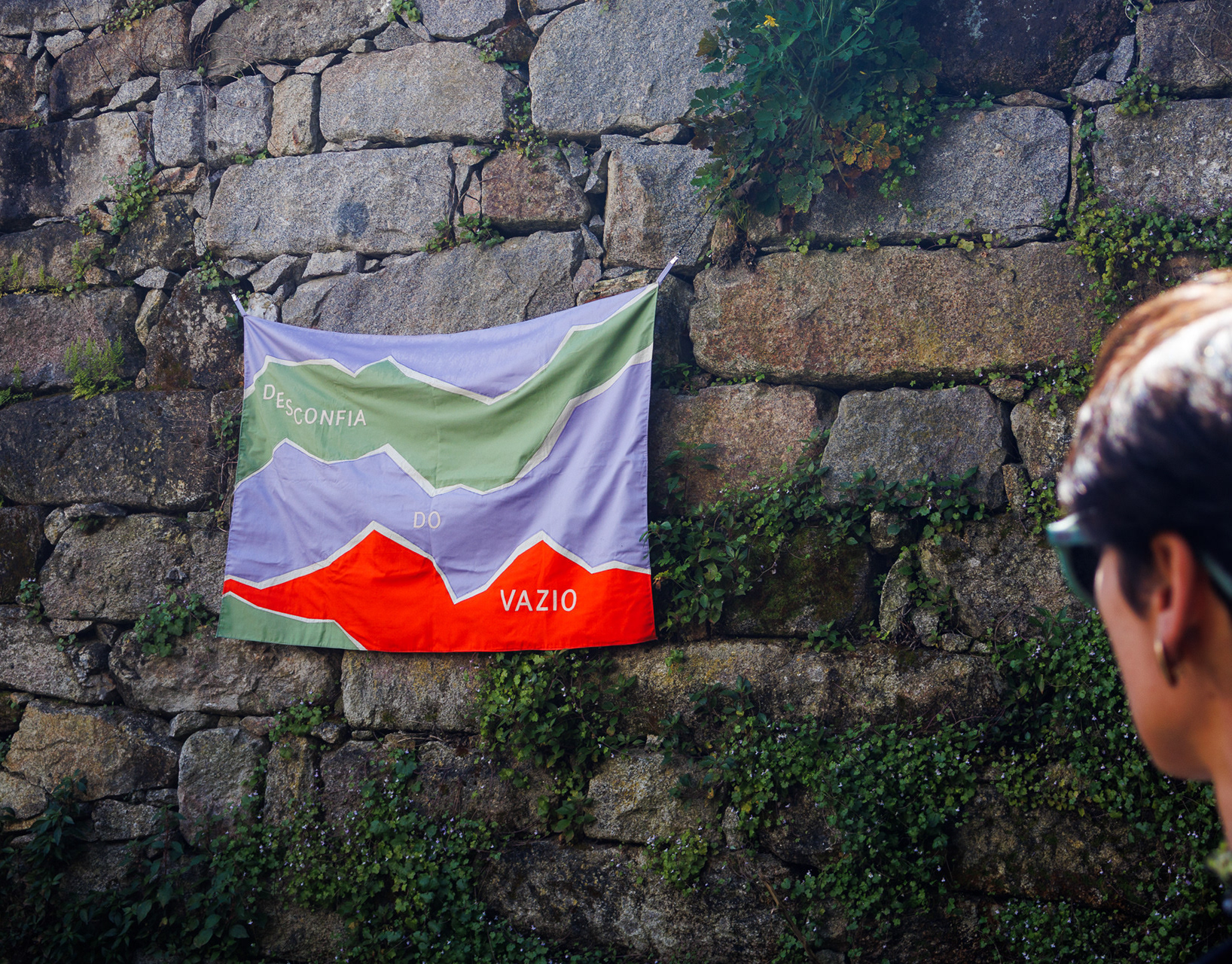
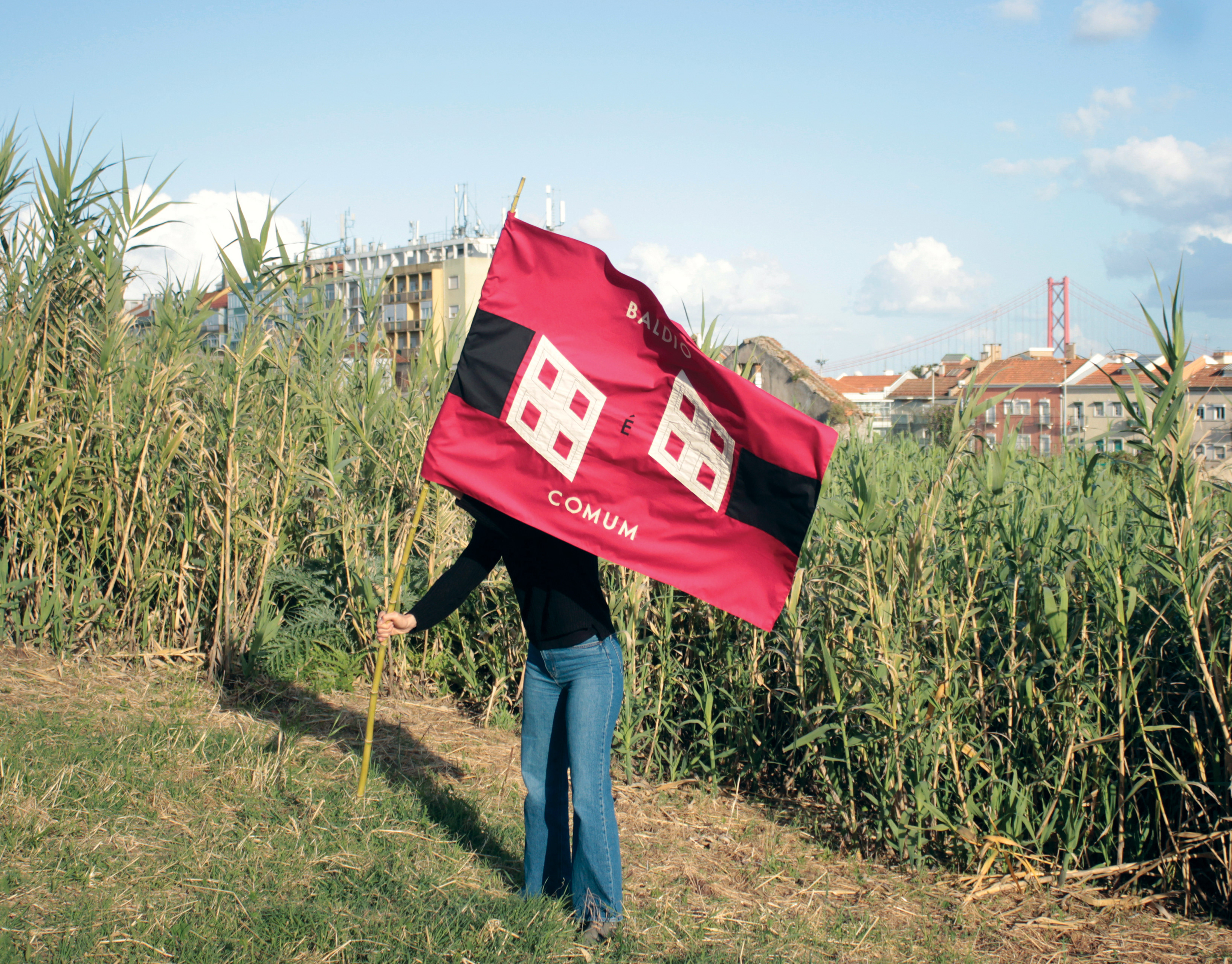
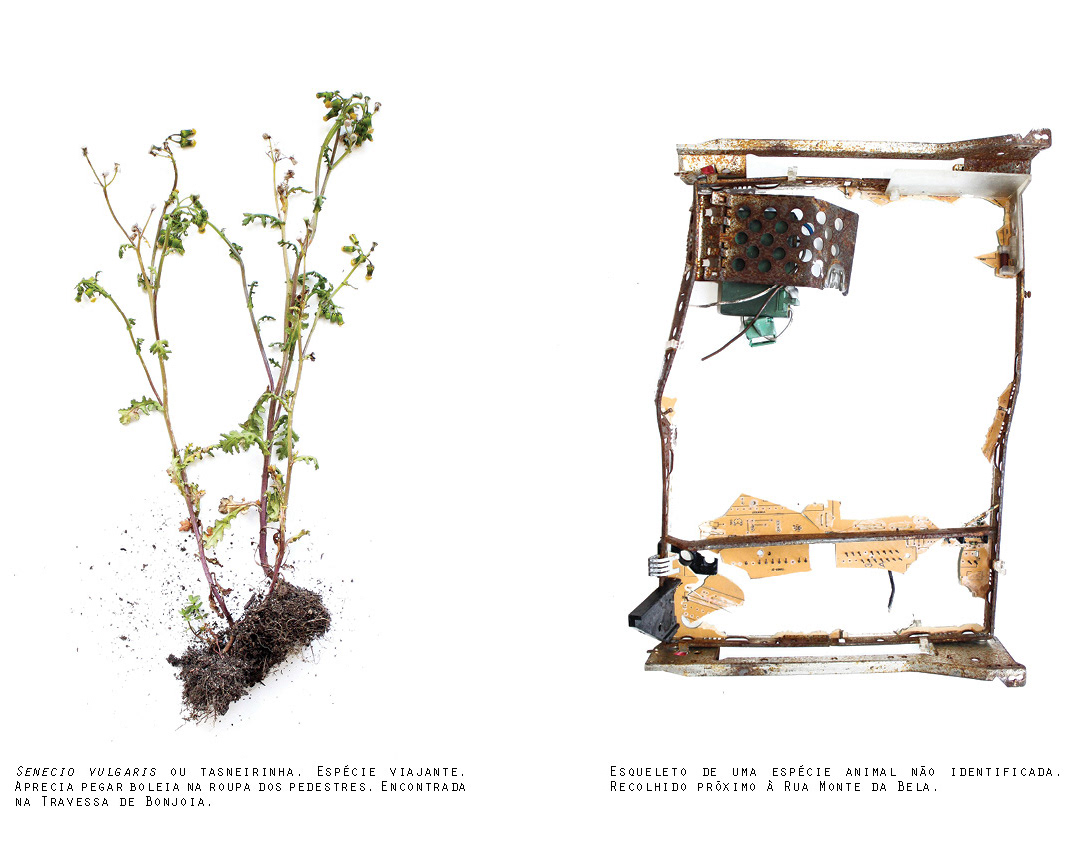
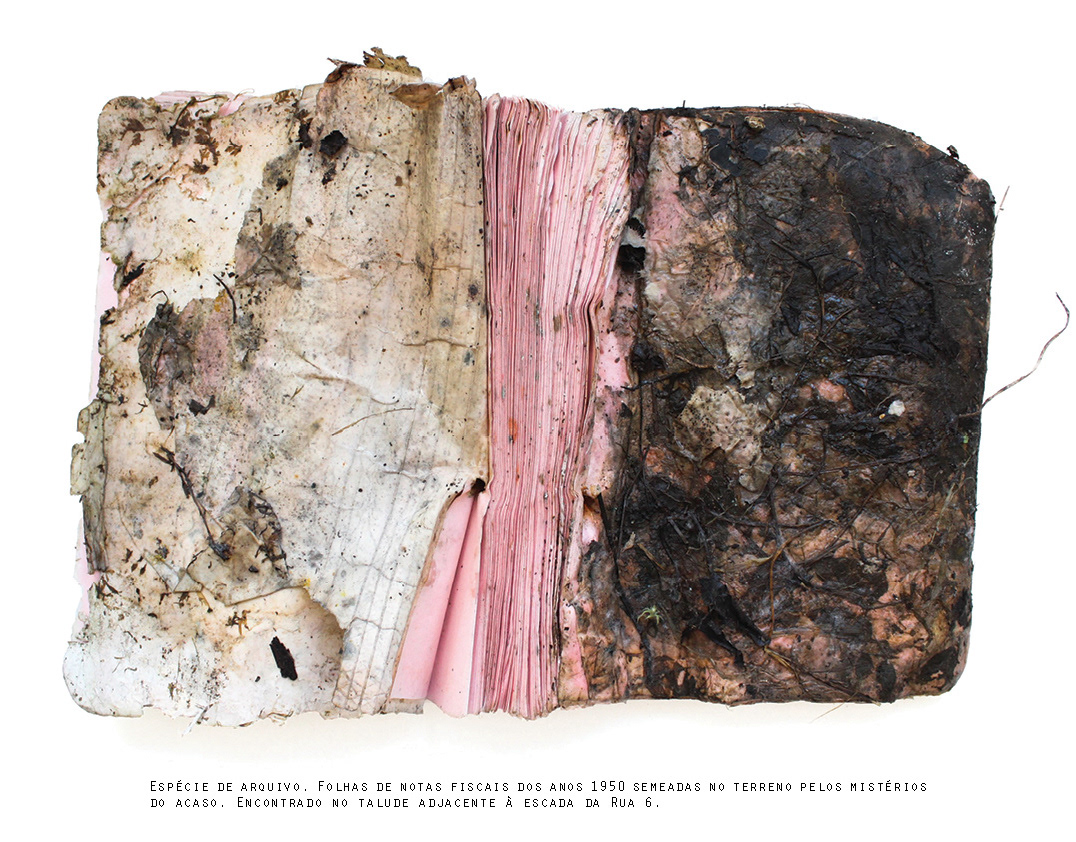
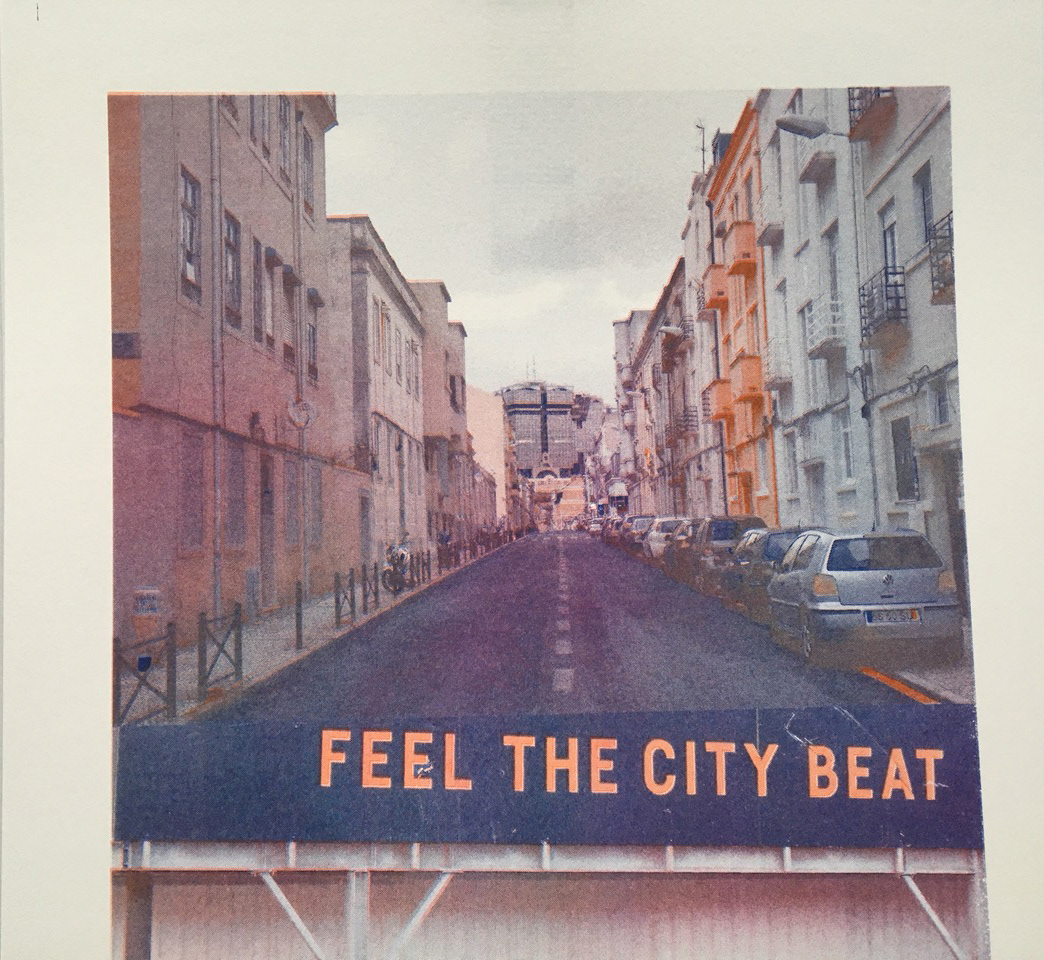
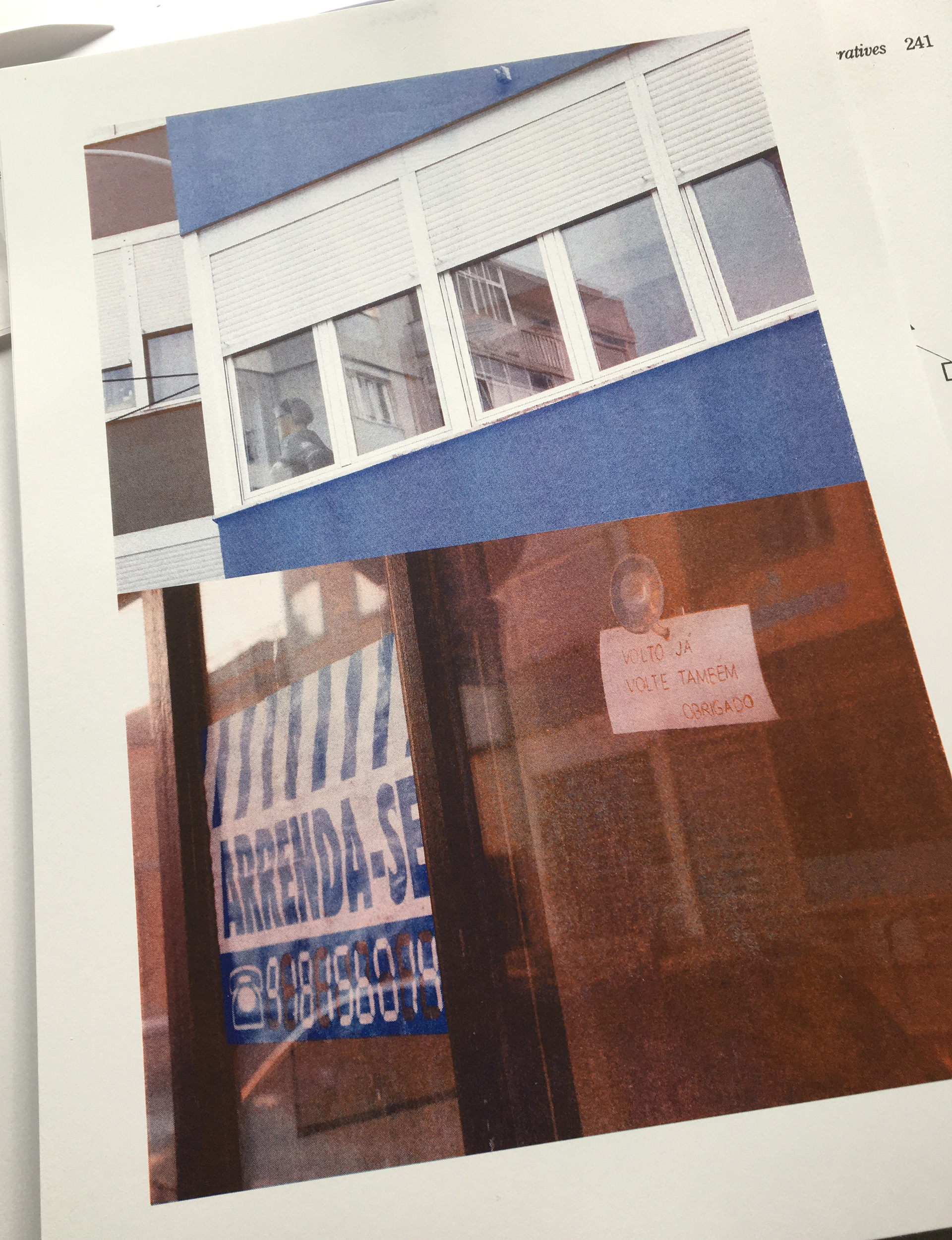
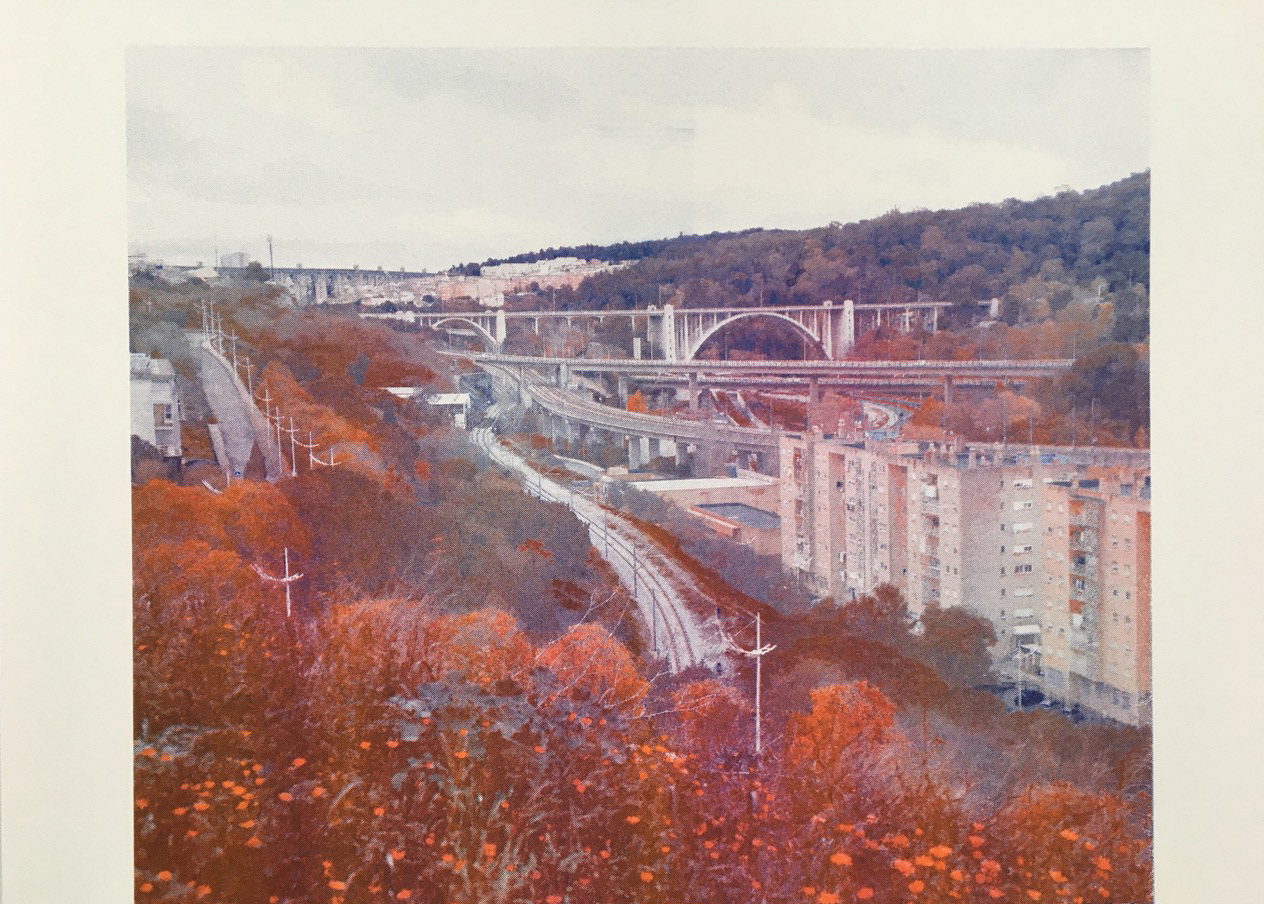
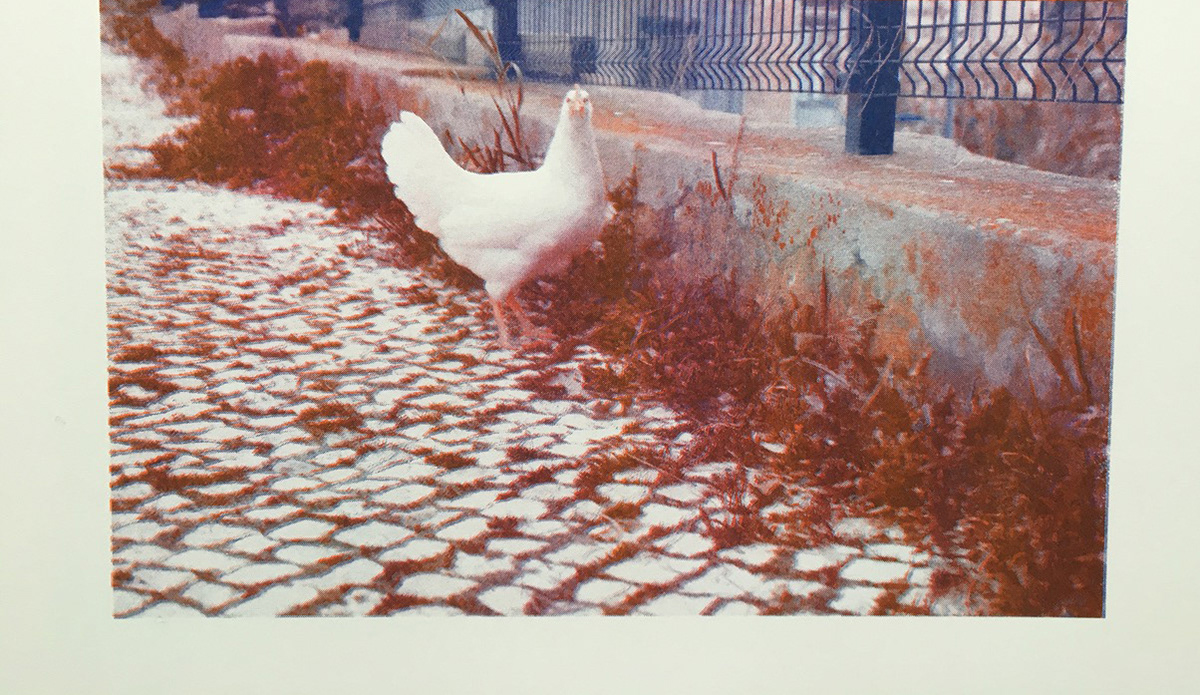
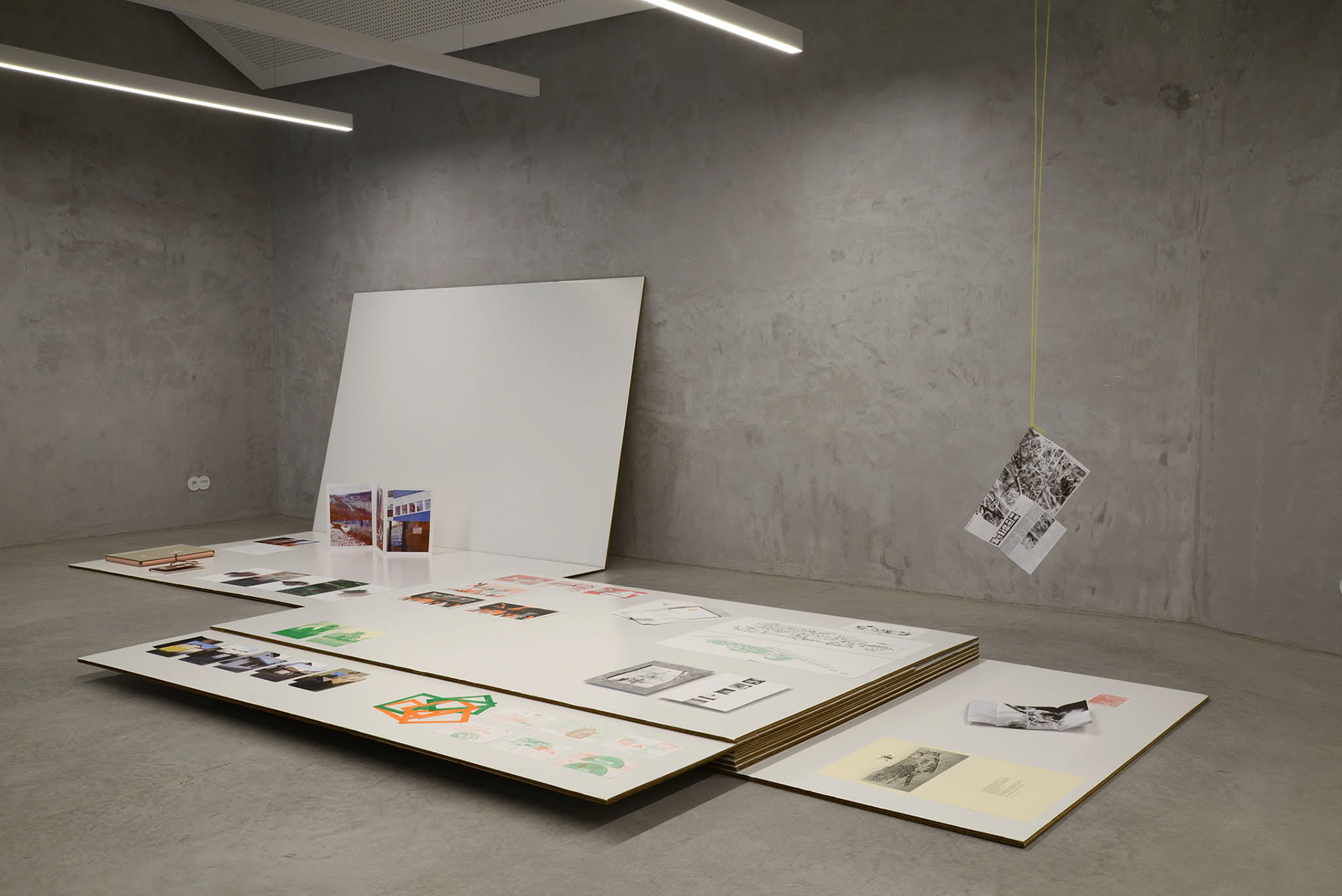
(Photographic series printed in risograph, 297 × 420 mm, 2020–21.)
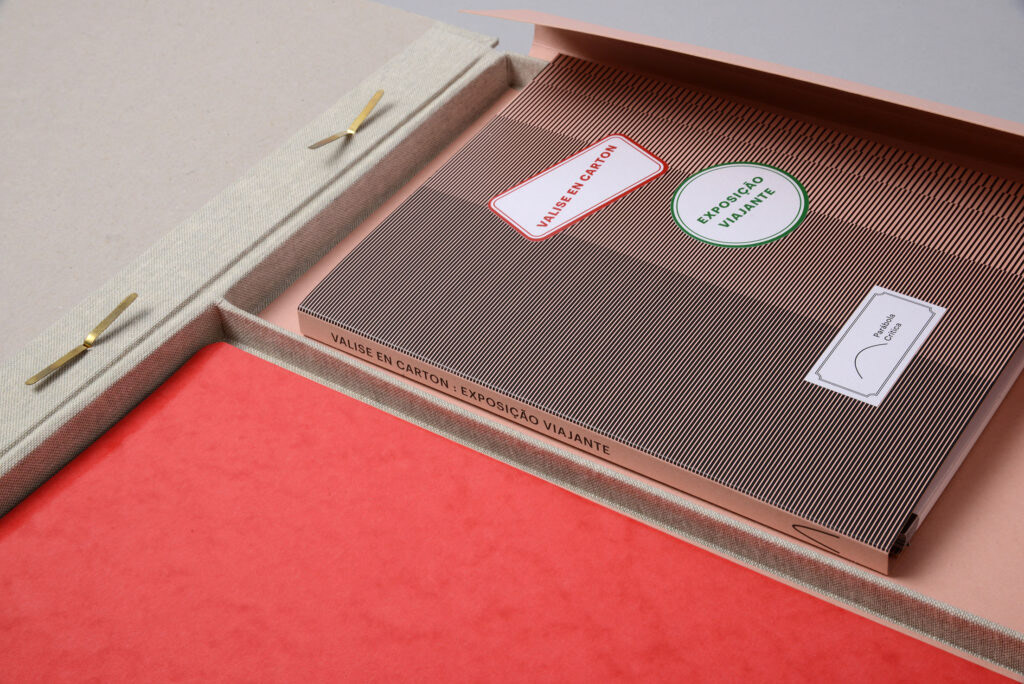
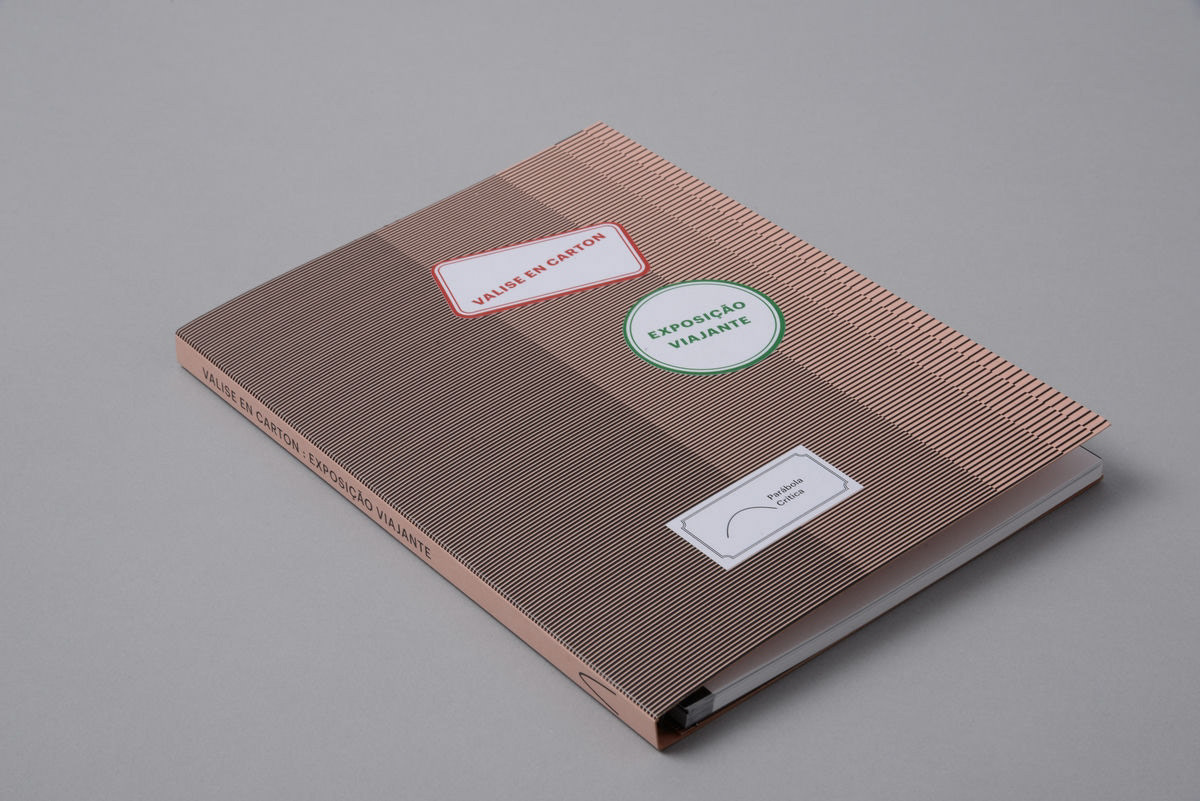
Commissioned for the travelling exhibition Valise en Carton, curated by Inês Moreira and Parábola Crítica
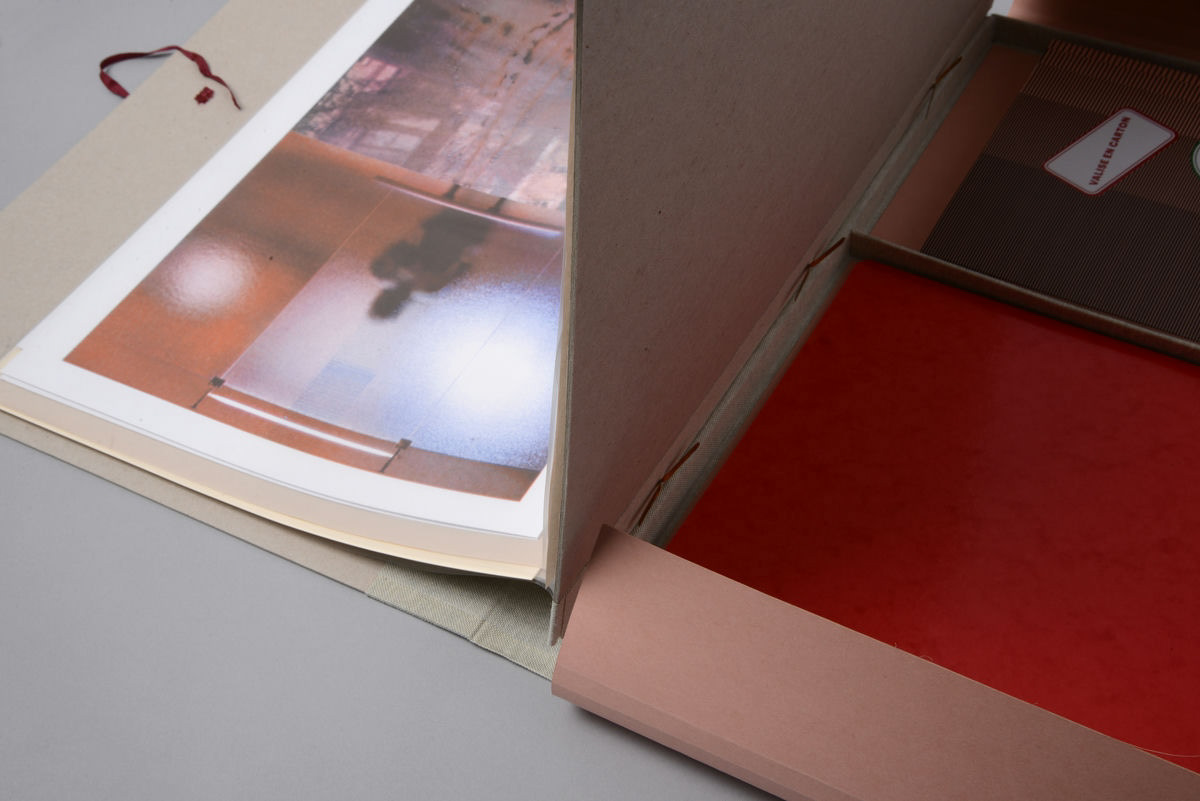
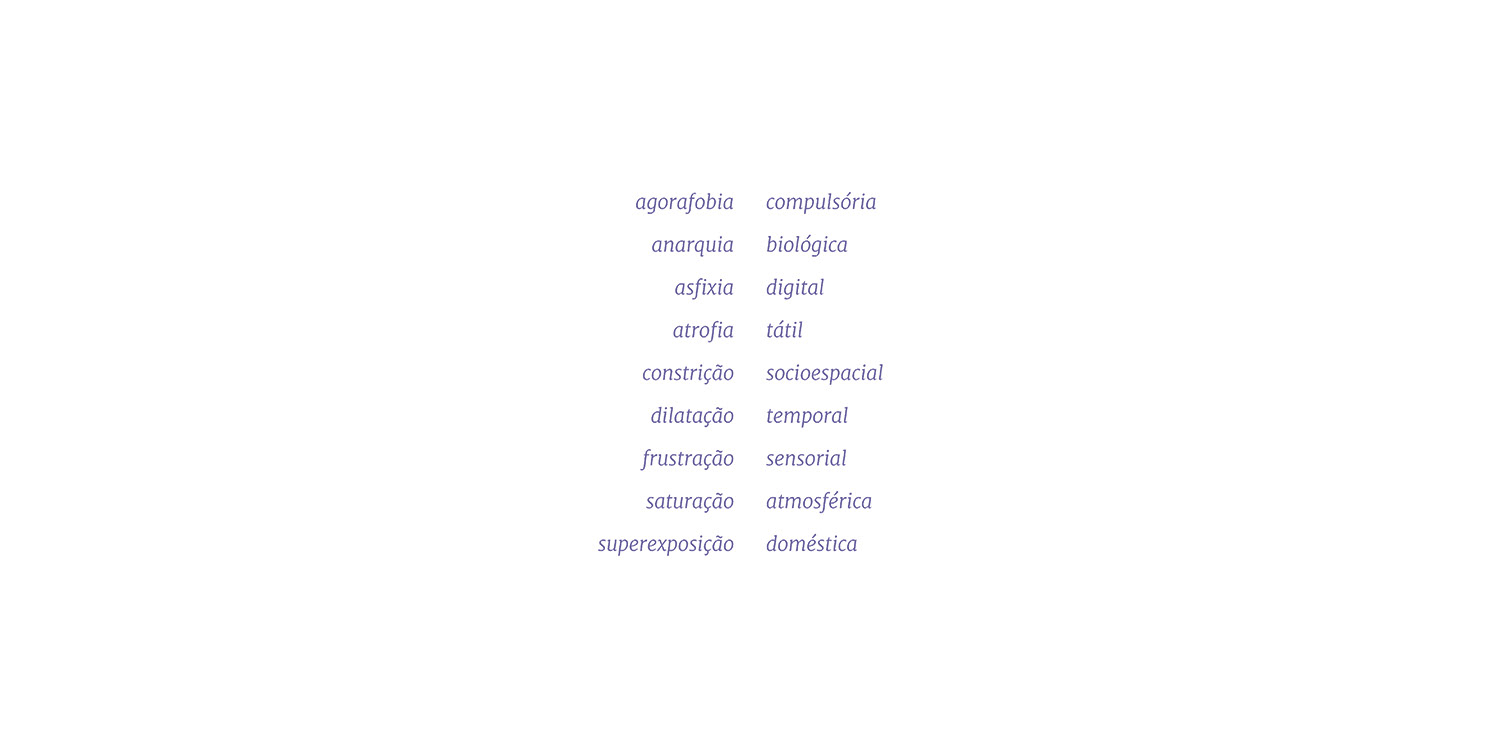
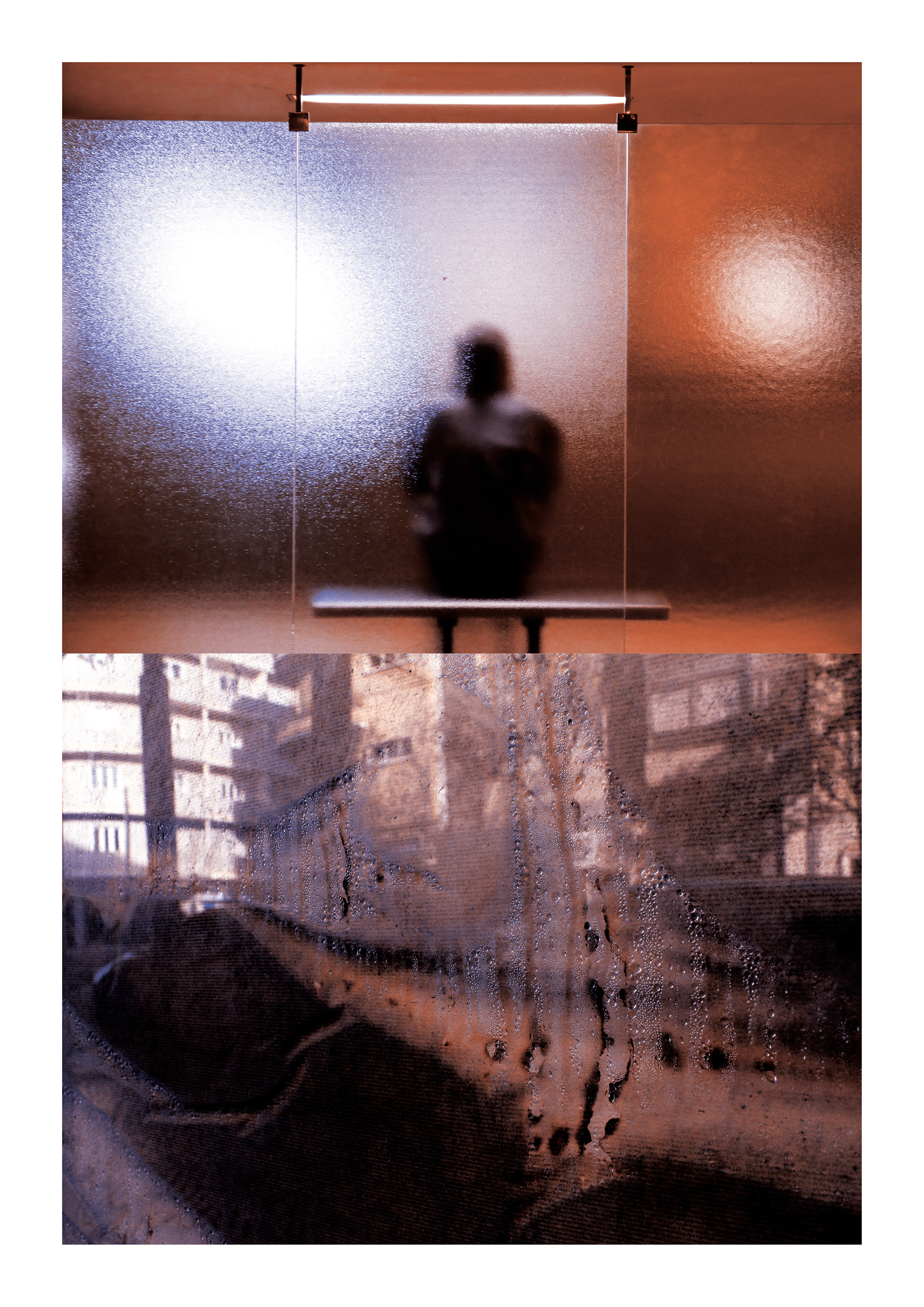
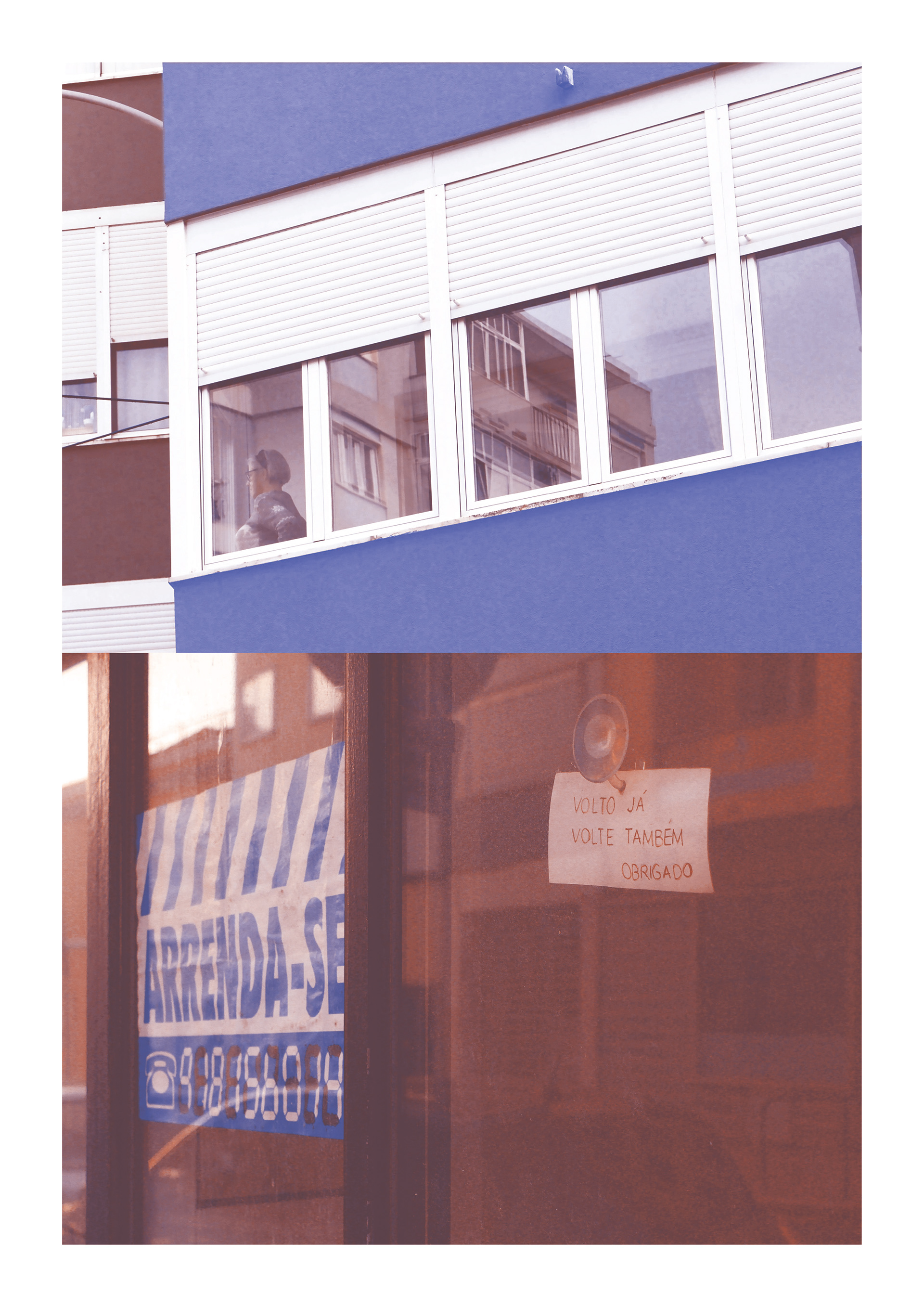
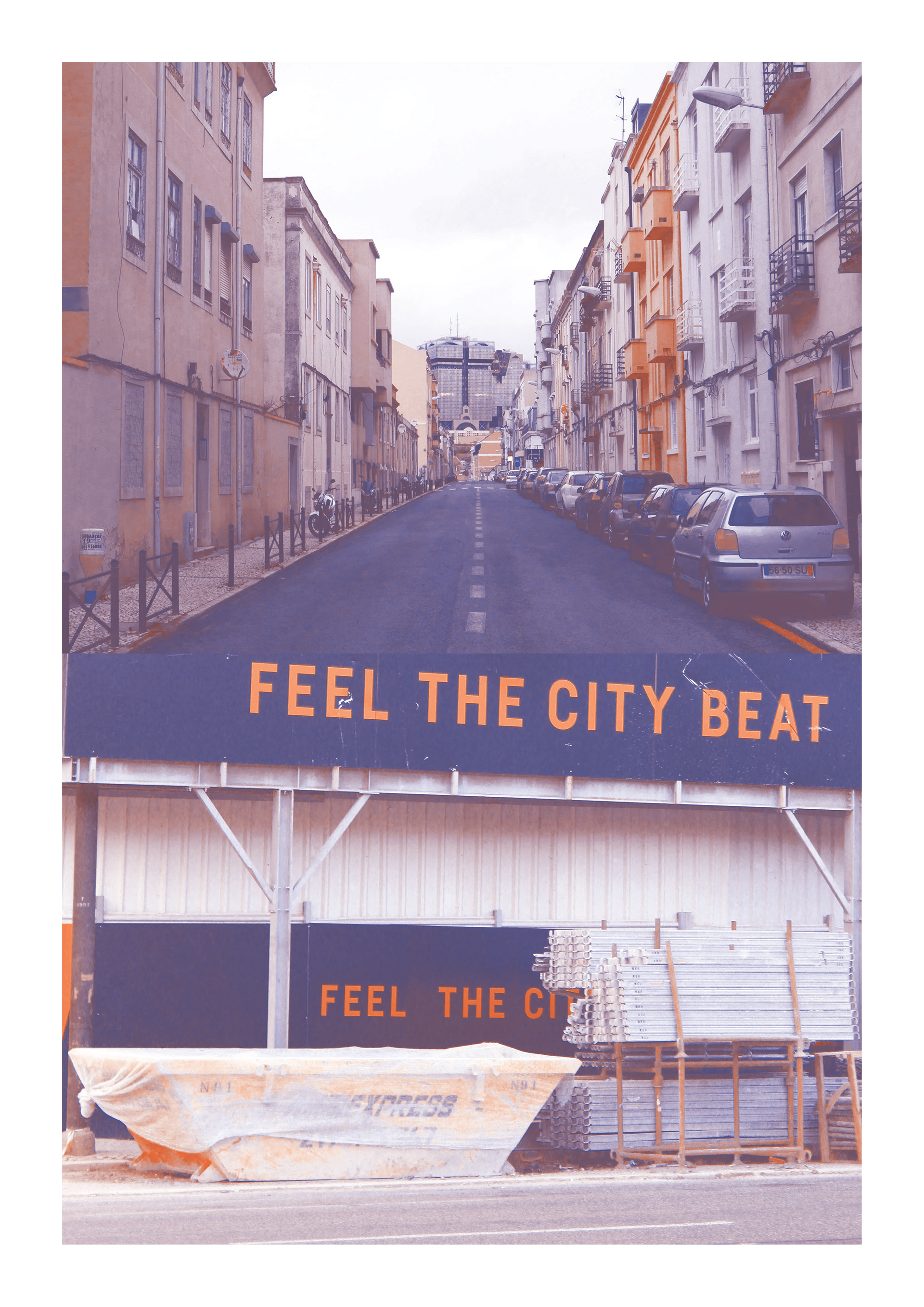
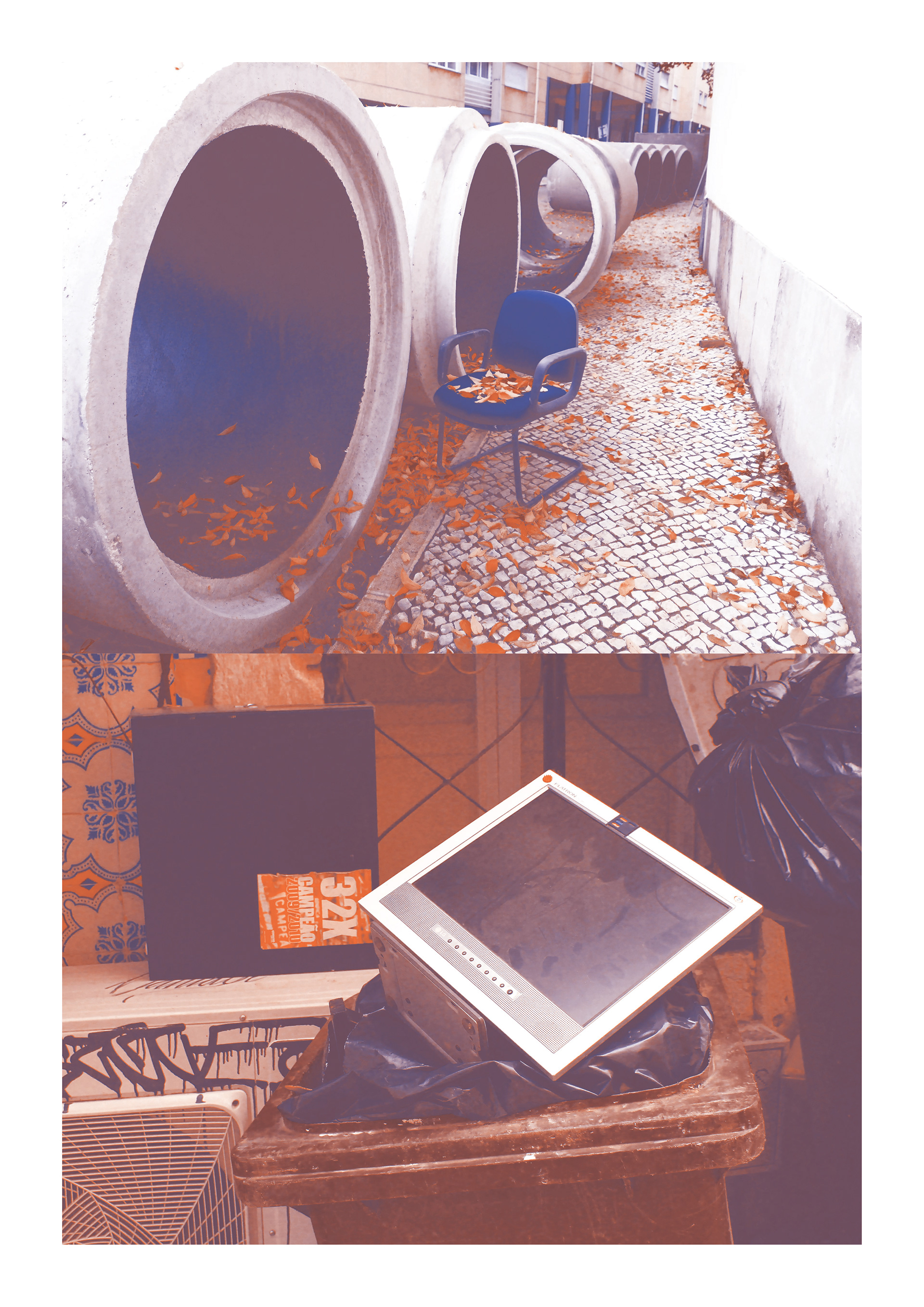
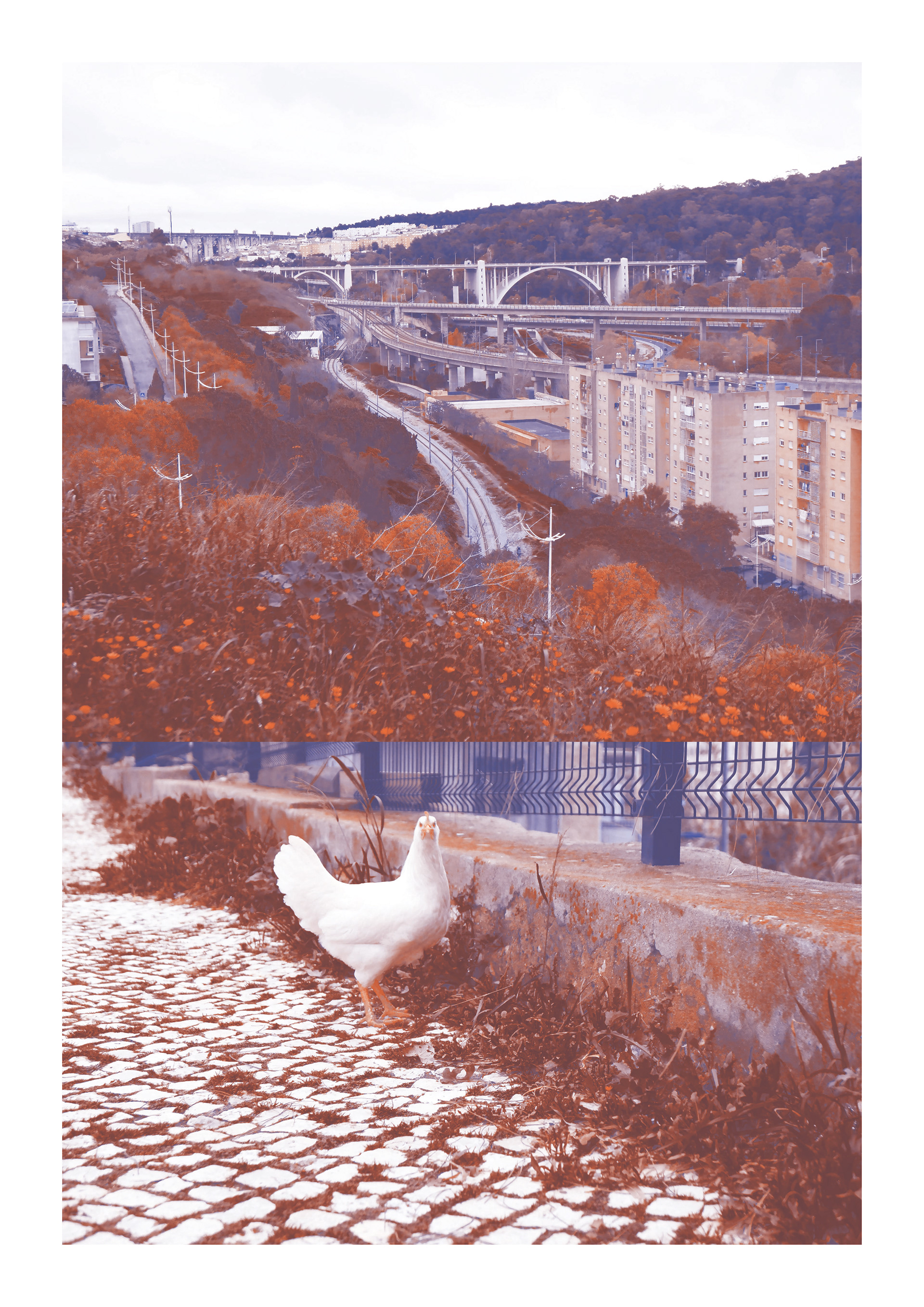
In November 2020, the Portuguese government decreed the suspension of individual freedom of movement during specific hours, except in situations that could not be postponed, as one of the restrictive measures adopted to contain the COVID-19 pandemic in municipalities considered to be at high risk of contagion. Distances from Home takes shape as a photographic series produced through solitary walks along the streets of Lisbon during periods of mandatory confinement, when circulation in public spaces and streets was prohibited.
The prohibition on remaining in public space indicates the extent to which the management of an epidemic is related to the control of urban conditions and brings to the surface discussions that are also spatial in origin. The virus develops and reproduces as a consequence of modes of intervention in and occupation of territory, while also following routes of human movement across the planet. The city is the medium, the condition for the coexistence of organisms of different kinds, which may feed the resurgence of anti-urban discourses in which public space appears as dangerous or threatening, while the domestic sphere is cast as a place of refuge and safety. Among spatial and urban diseases, COVID-19 prompted the emergence of new forms of etiquette concerning contact and social behaviour, collective choreographies, architectural typologies, and emergency spatialities, all reflected in a modified and exceptional experience of the city. When a significant part of regular interactions, flows, and rhythms is absent, traces of previous presences and interrupted uses remain in space; signs of abandonment, crisis, or collapse emerge; forms of existence perhaps obscured by the profusion of previously active layers become more visible. The city reveals itself more clearly as an ecosystem of contagion between living and non-living beings.
The walks, always beginning from the same point, extend vectors of movement at the scale of the body, with its possibilities and limitations, and seek to experience the new distances of contact being established between the body and the other urban beings and places encountered along the way. Beyond the phenomenon of emptying, I encounter other symbolic images that suggest possible readings of the collateral effects of these times on the city. Motivated by a collective belief in what is extremely invisible and highly transmissible, layers of protection and distancing are interposed between bodies and the surrounding environment. A sensory anaesthesia translated into the preventive suppression of the tactile dimension and into a rejection of the presence of the unknown other. The other is perceived as a possible source of contagion even when their presence is reduced to a trace of human touch on surfaces. As a consequence of a virus that challenges paradigms of visibility, situations and scenes of everyday life become even more strongly transformed into images reproduced and mediated through digital screens. I revisit the city where I live as one might return to assess the damage and the relics that remain after an unexpected event, or to observe how things behave when there is “no one” there to witness them.
link to learn more — Parabola Crítica's website.