ARCHEOLOGY OF THE VOID (Porto/PT, 2019)
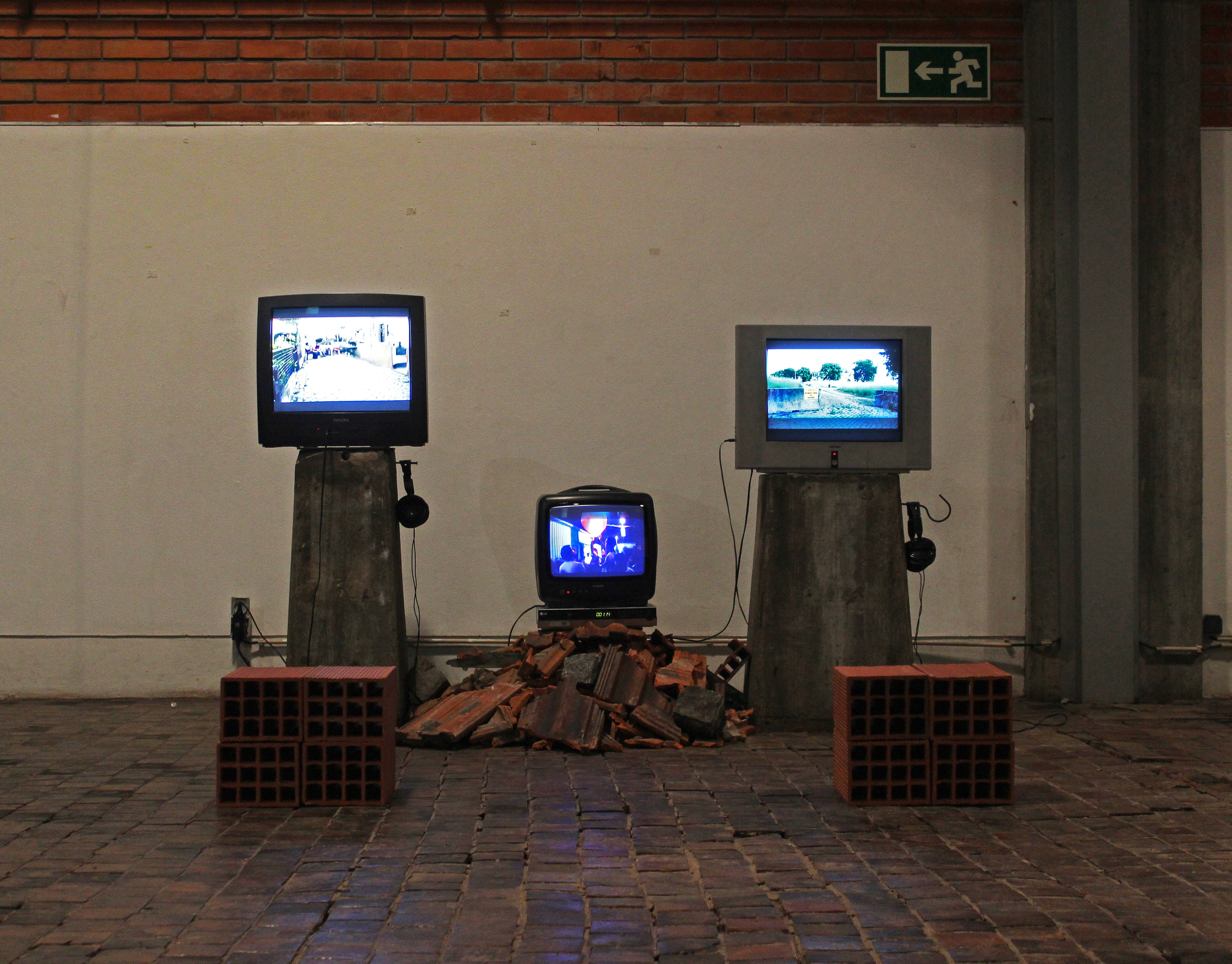
Sound- and image-mediated walk presented as part of the programme The (mis)guided Tours, satellite project of the Porto Design Biennale 2019.
Sound- and image-mediated walk presented as part of the programme The (mis)guided Tours, satellite project of the Porto Design Biennale 2019.
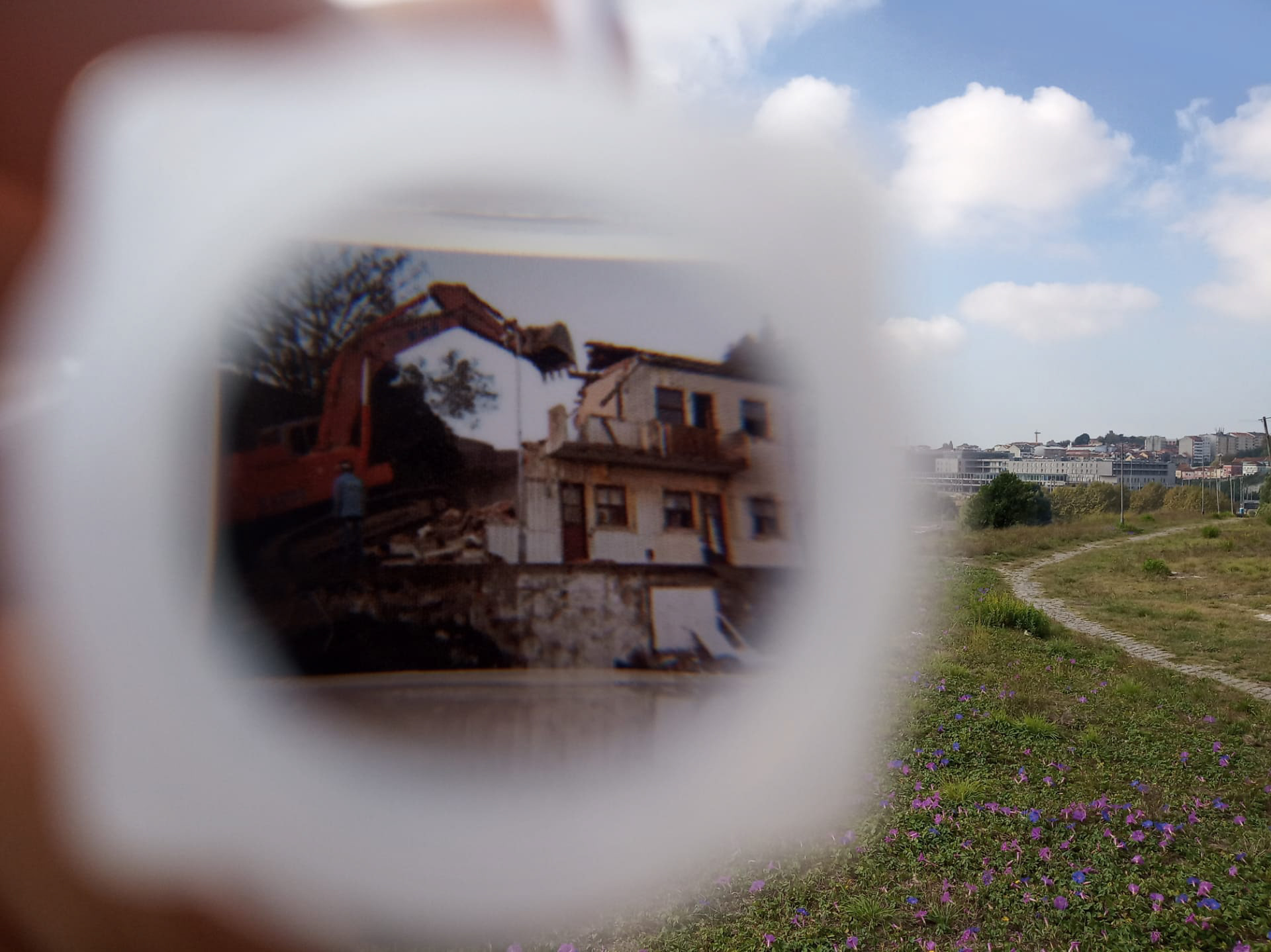
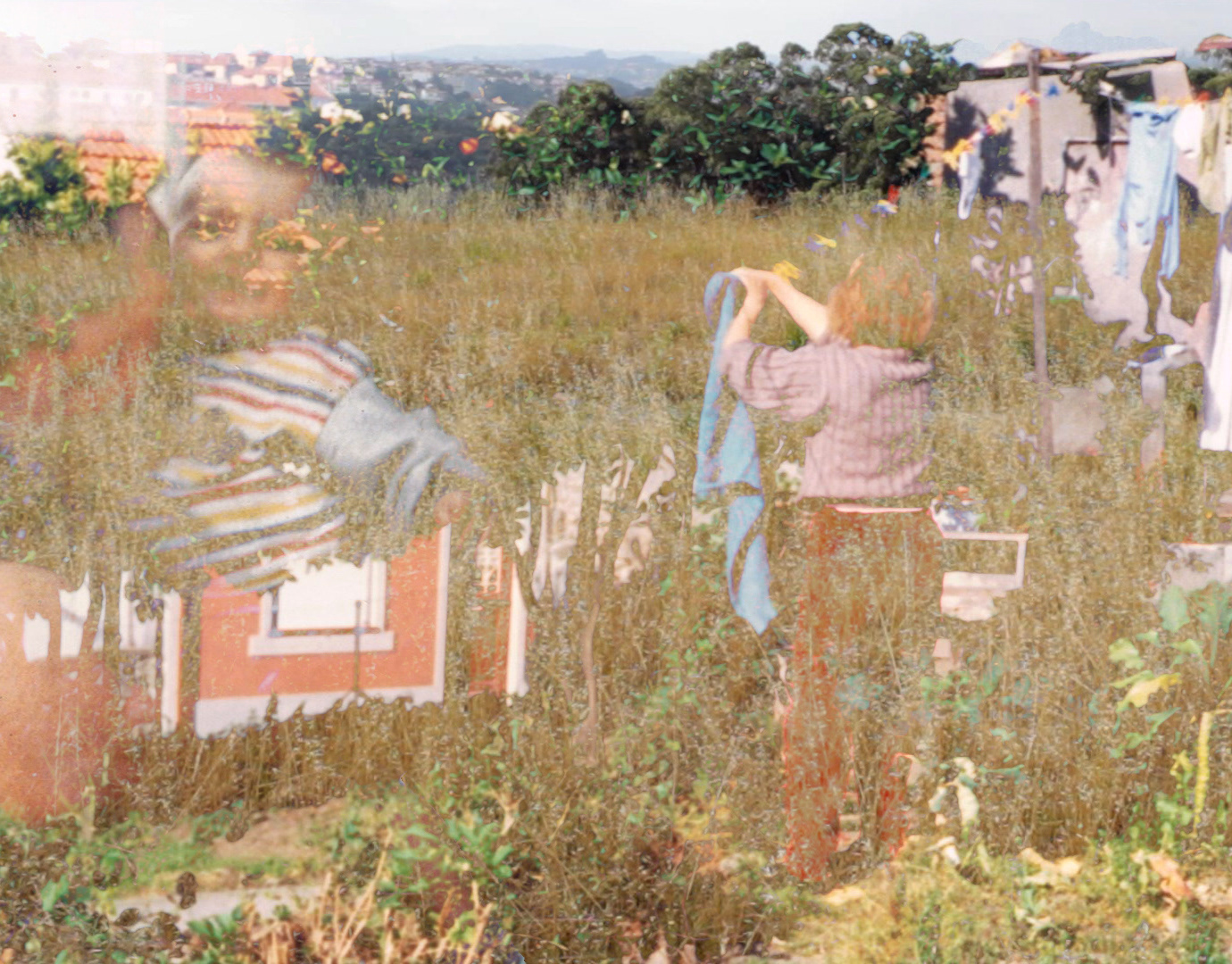
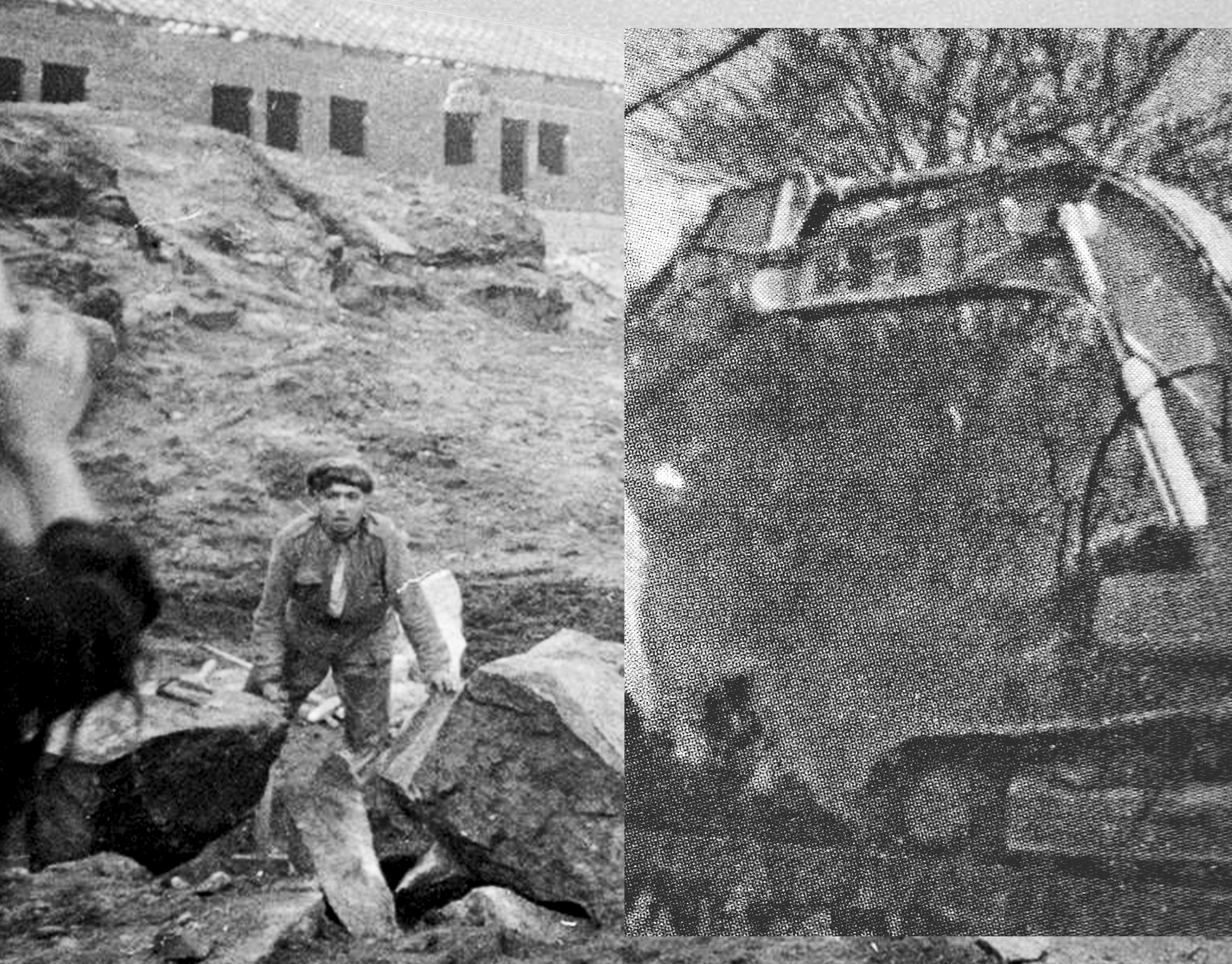
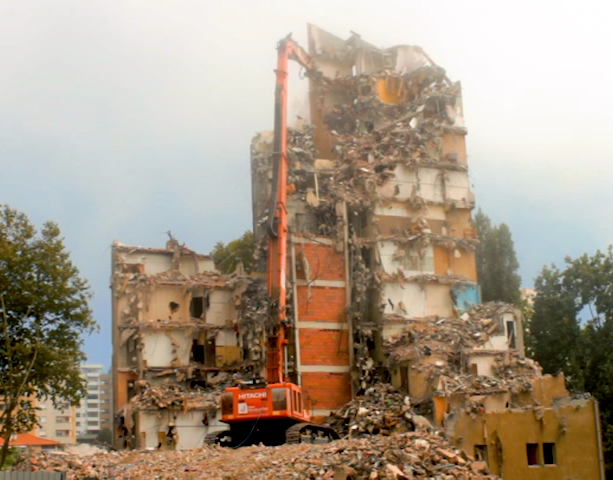
The São Vicente de Paulo neighbourhood was a social housing complex located in Campanhã, Porto, built in the late 1940s on previously uncultivated land. One of the oldest social housing estates in the city, it was created mainly to house people displaced from "ilhas" and other precarious housing in the city centre. Despite residents’ resistance, the houses that made up the neighbourhood were demolished in stages between 2005 and 2008, with their advanced state of deterioration and concerns over safety cited as the main reasons. People who had lived there all their lives were rehoused in different social housing estates across the city, most of them far from their original parish.
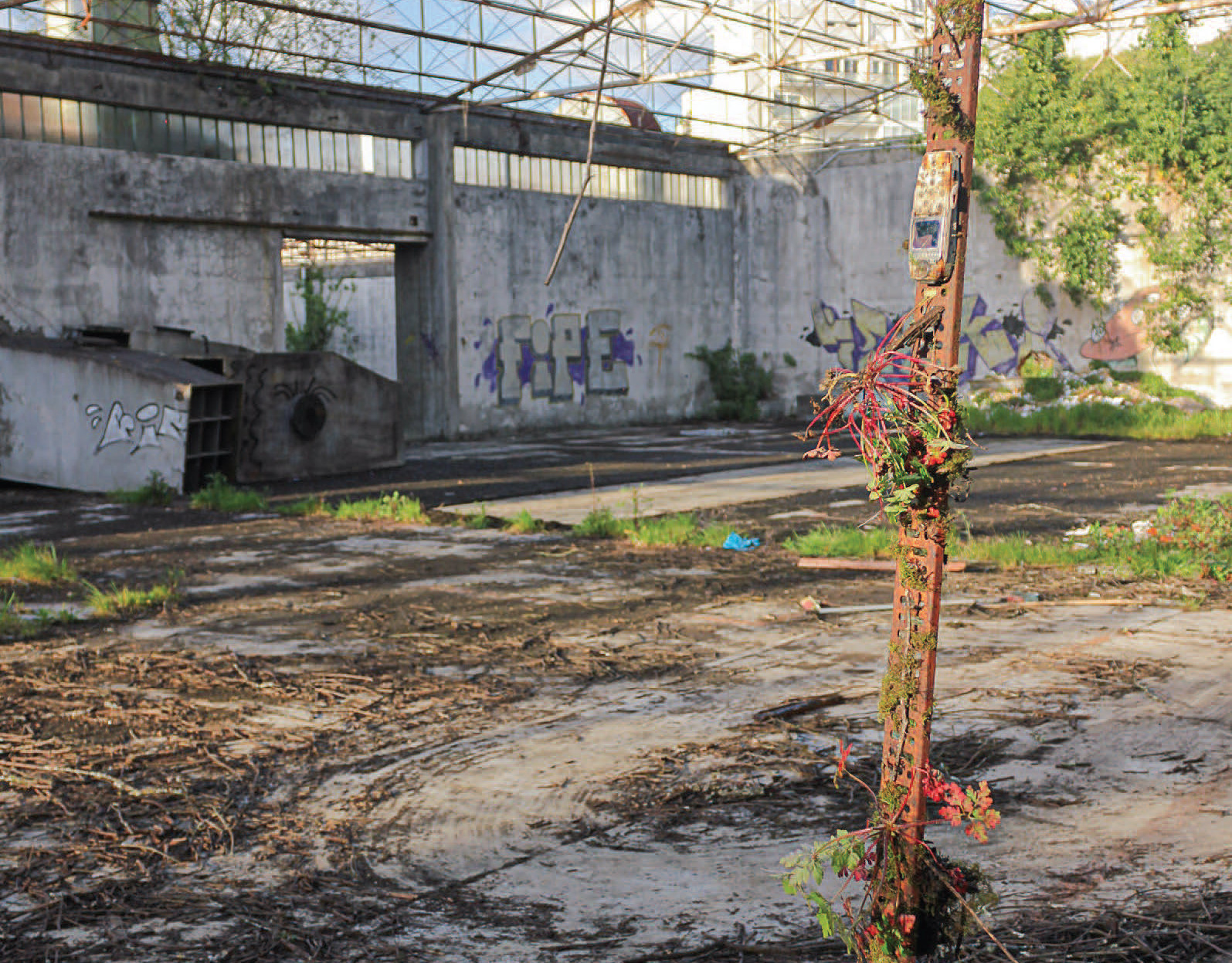
The demolition continues to be questioned by some former residents, since it was carried out despite the absence of any plan for the area. Around thirteen years after the beginning of the demolition process, the site still remained empty.
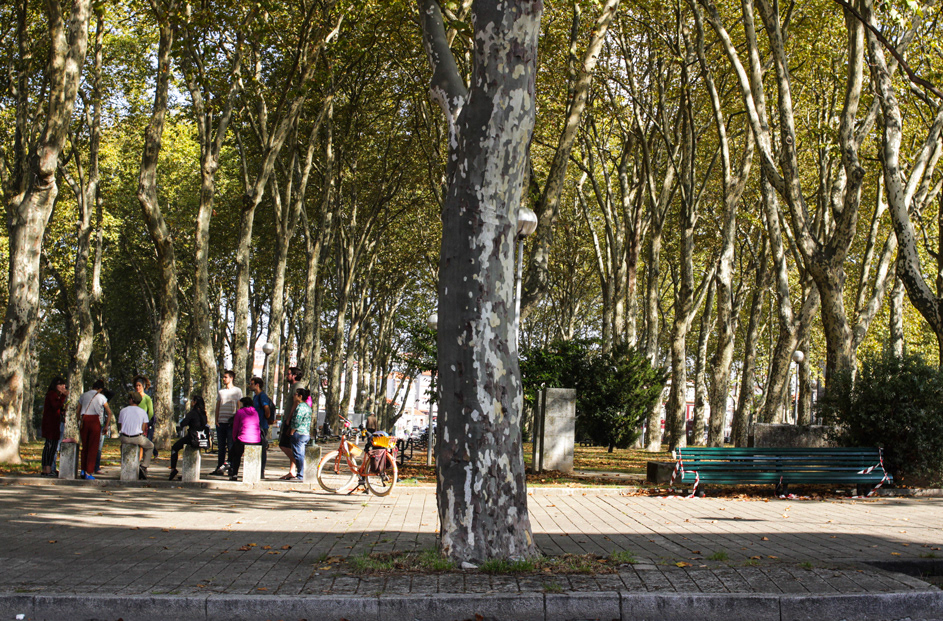
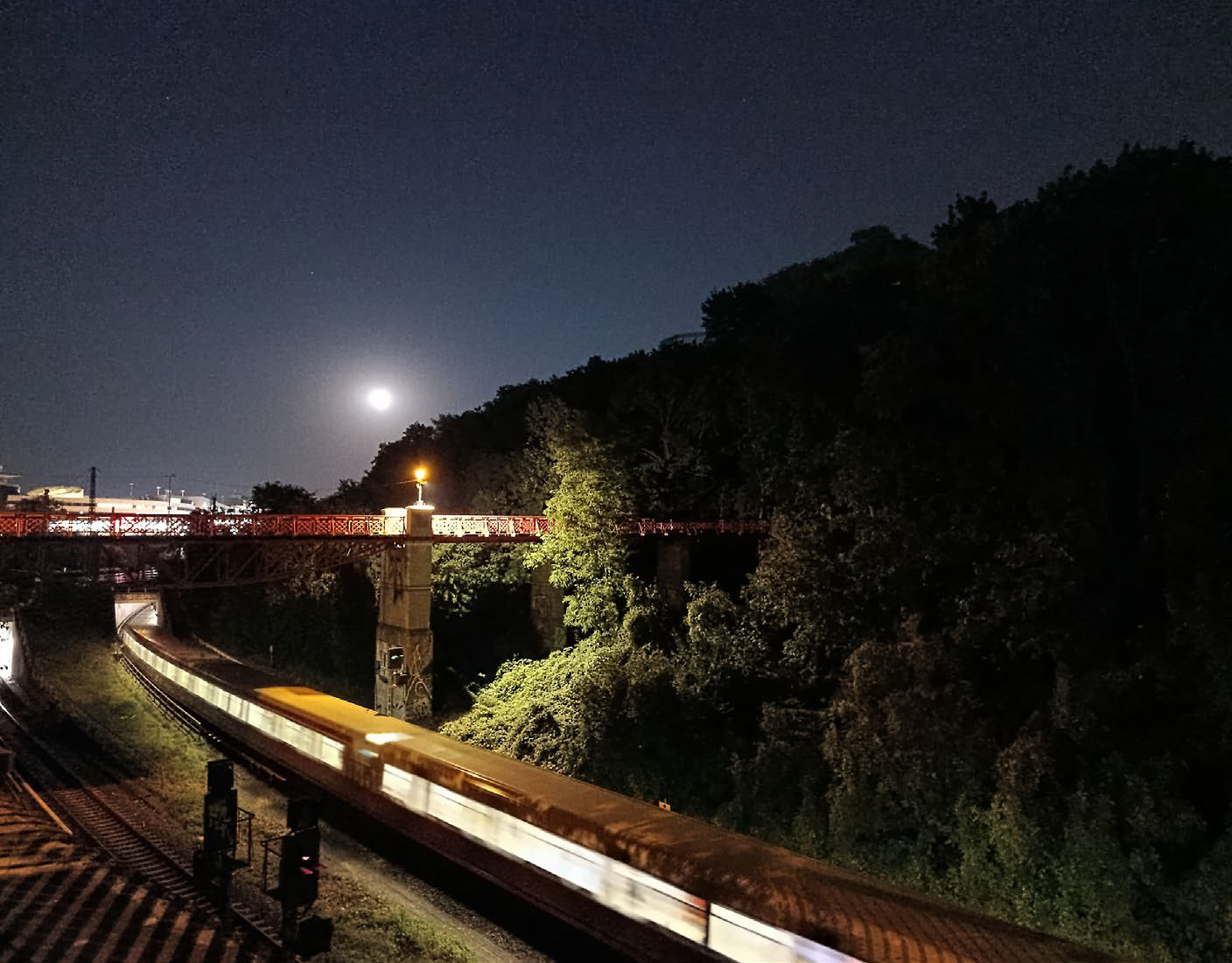
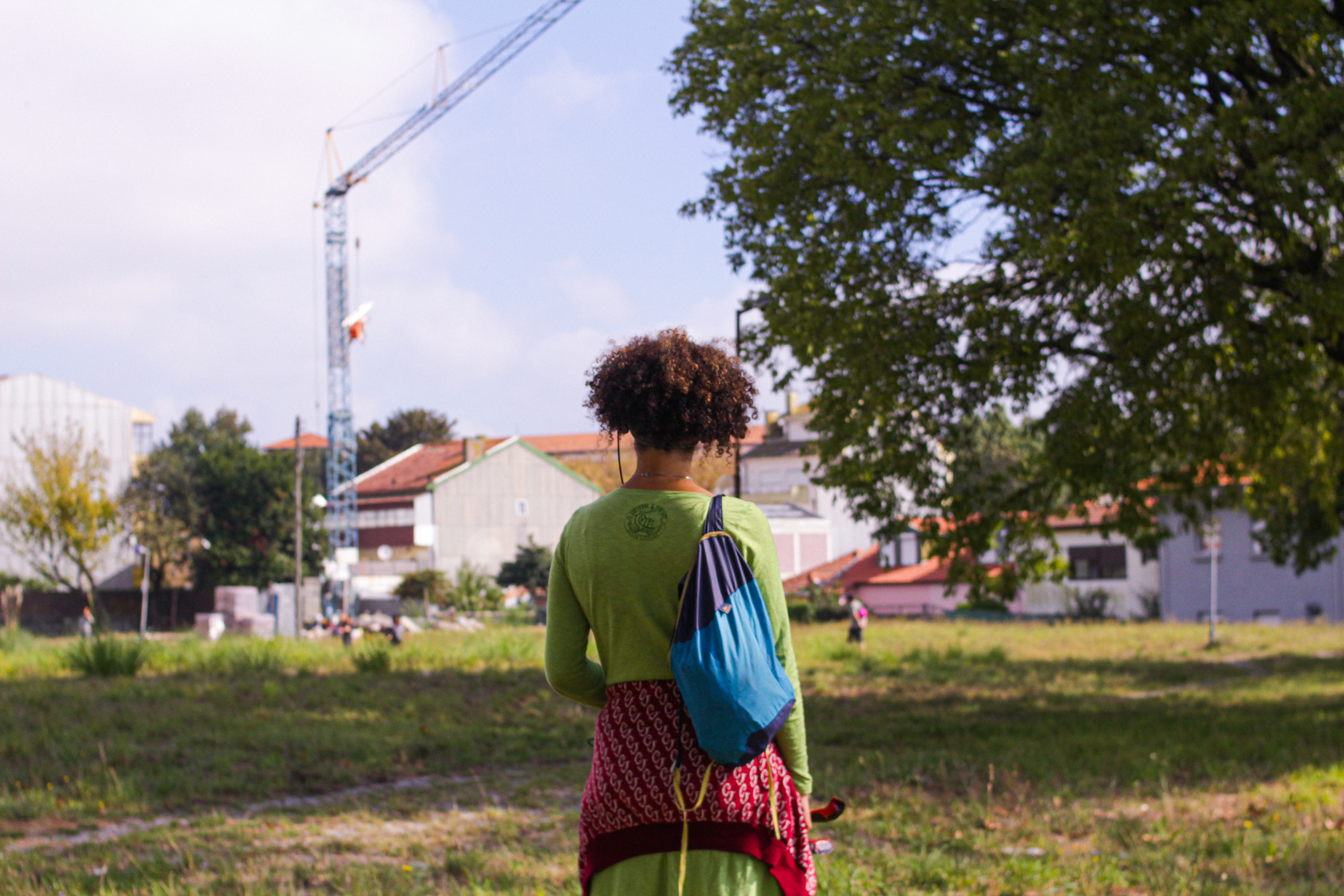
From the many plateaus that make up the open ground where the neighbourhood once stood, an area of around 2.8 hectares with panoramic views over the surroundings and the Douro, it is possible to see some of the main landmarks of the parish of Campanhã. These include the Estádio do Dragão, Avenida 25 de Abril, the railway station, and the former Municipal Slaughterhouse, the latter two already awaiting major redevelopment projects in the coming years.
Rehabilitation works on the adjacent streets and the prospect of these new large-scale investments near the site suggest that it may not remain undeveloped for much longer.
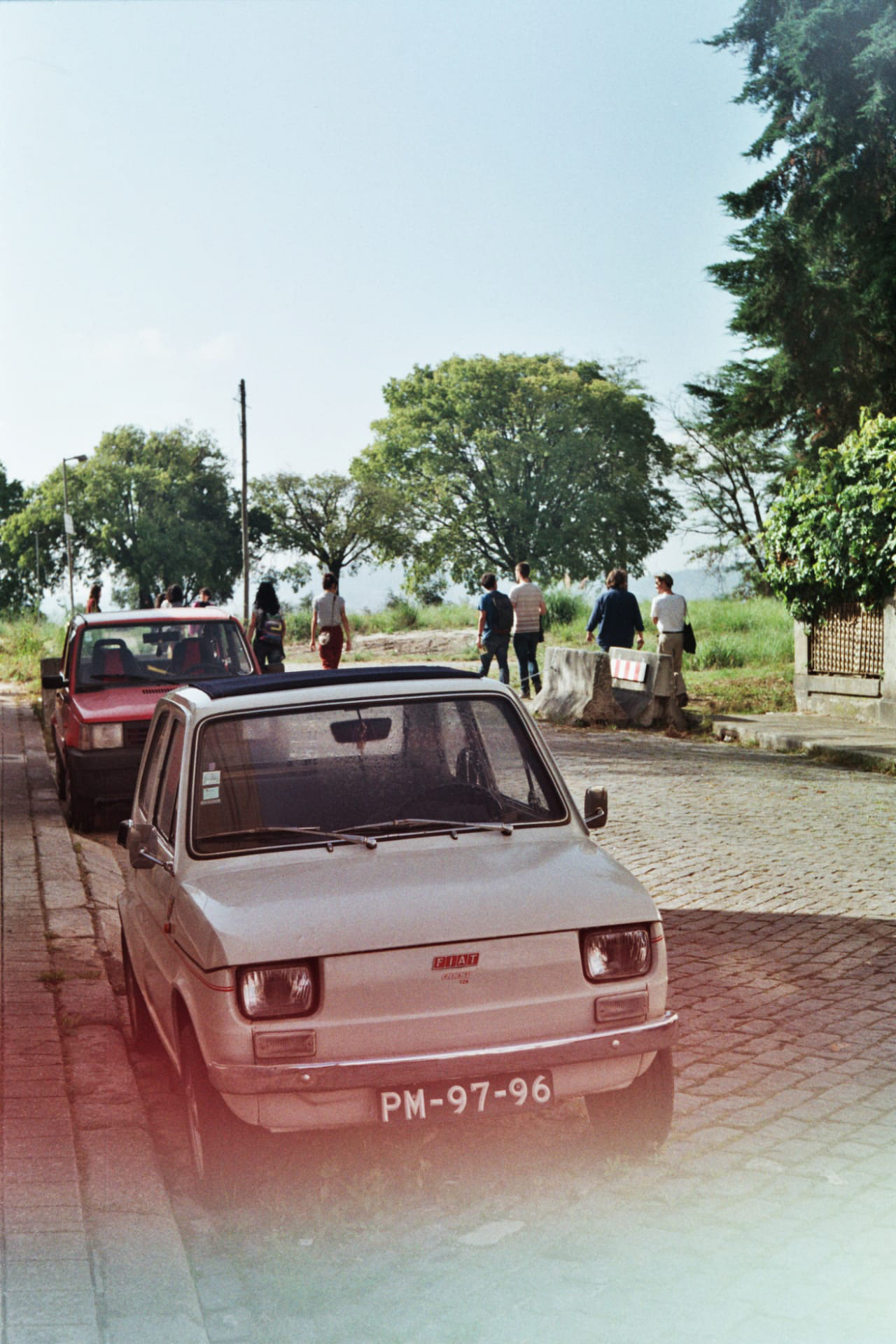
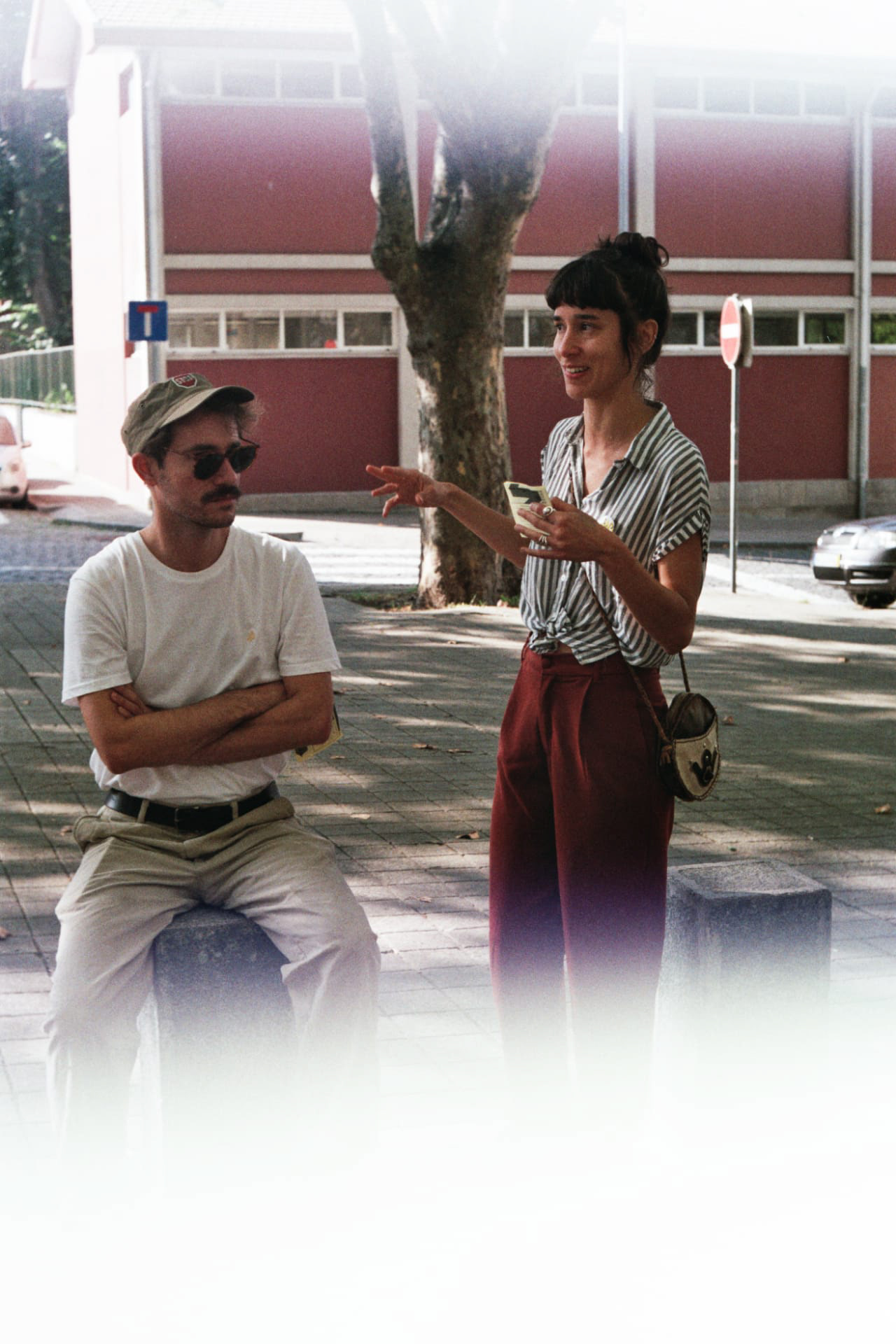
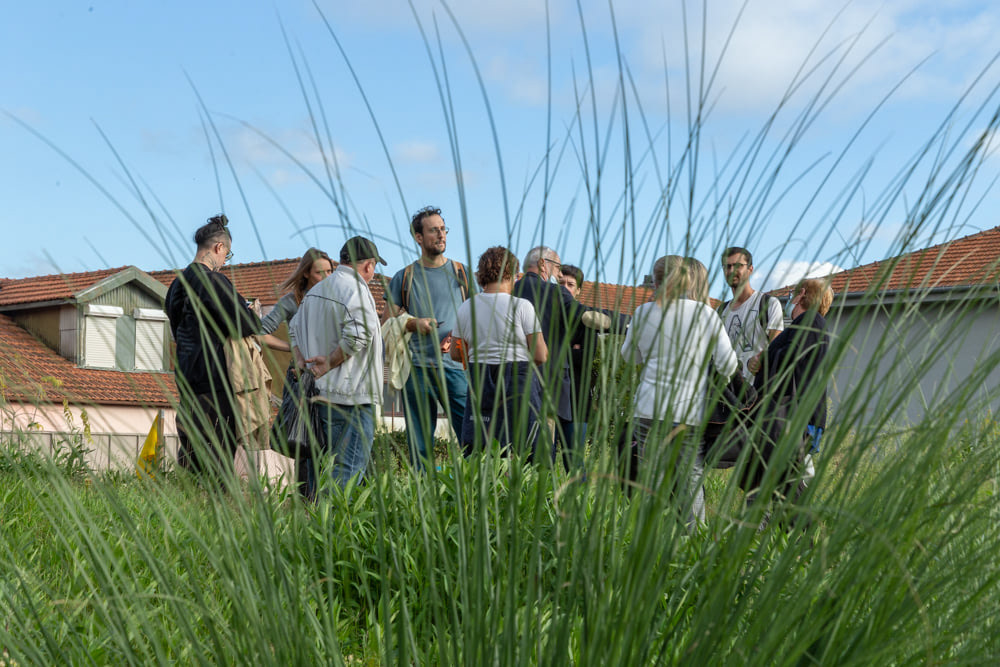
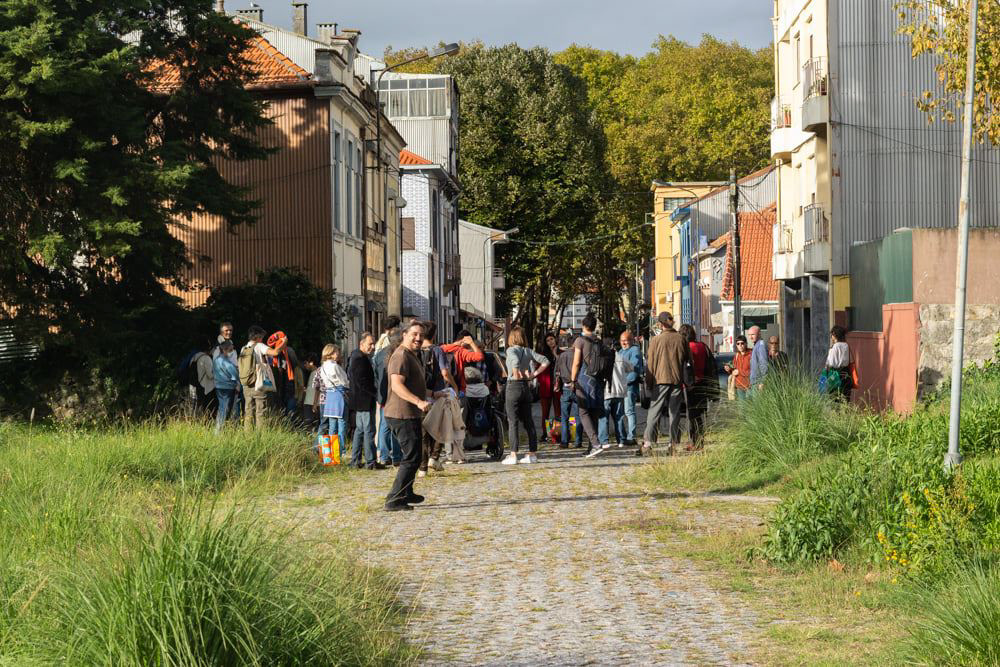
Archaeology of the Void is a walk through an open tract of land in the eastern part of Porto, where the São Vicente de Paulo neighbourhood once stood before being demolished more than a decade ago. I propose that this vacant site, already at the edges of Porto, offers a privileged vantage point from which to understand some of the urbanisation dynamics that have shaped the city’s transformations, particularly in its eastern area.
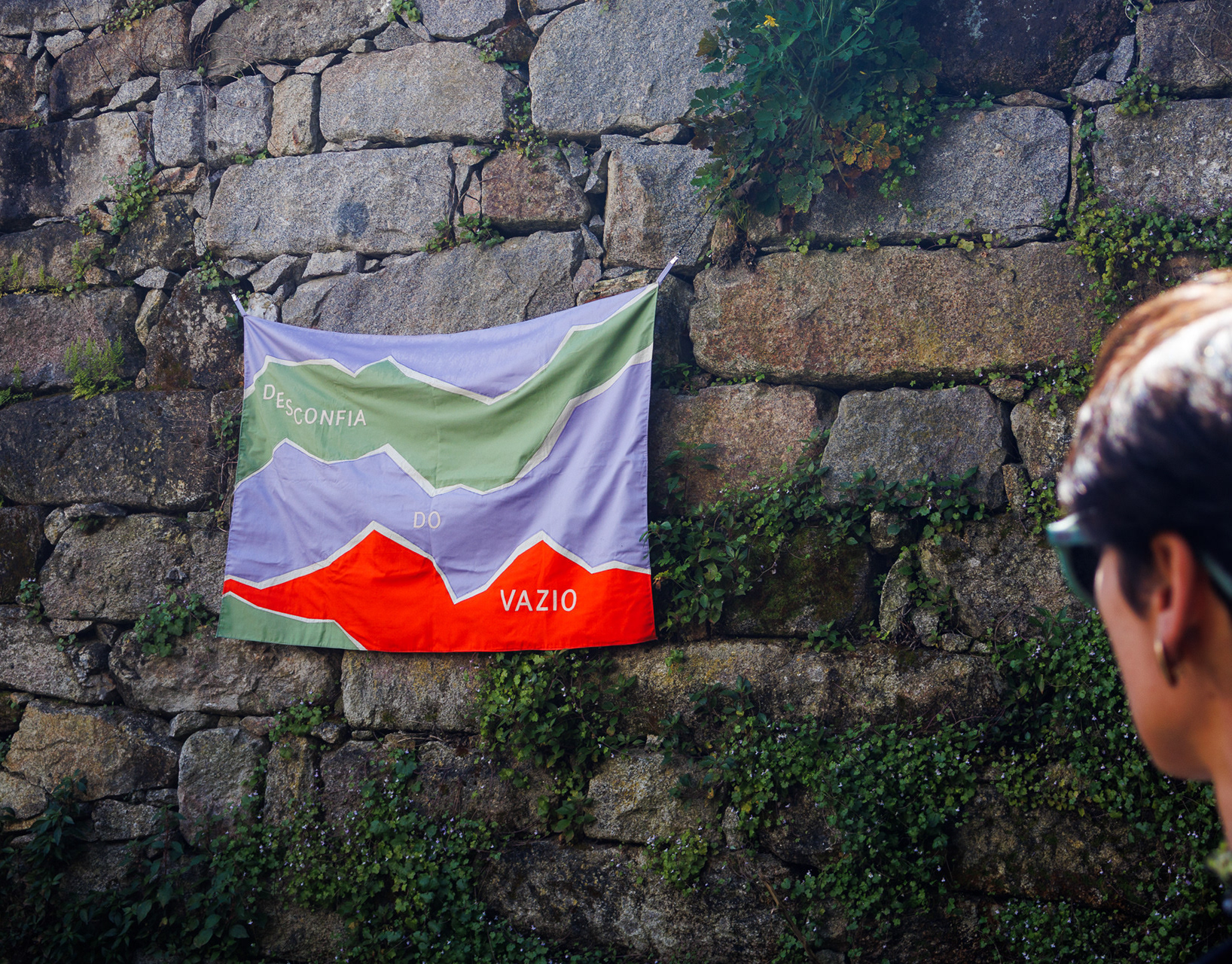
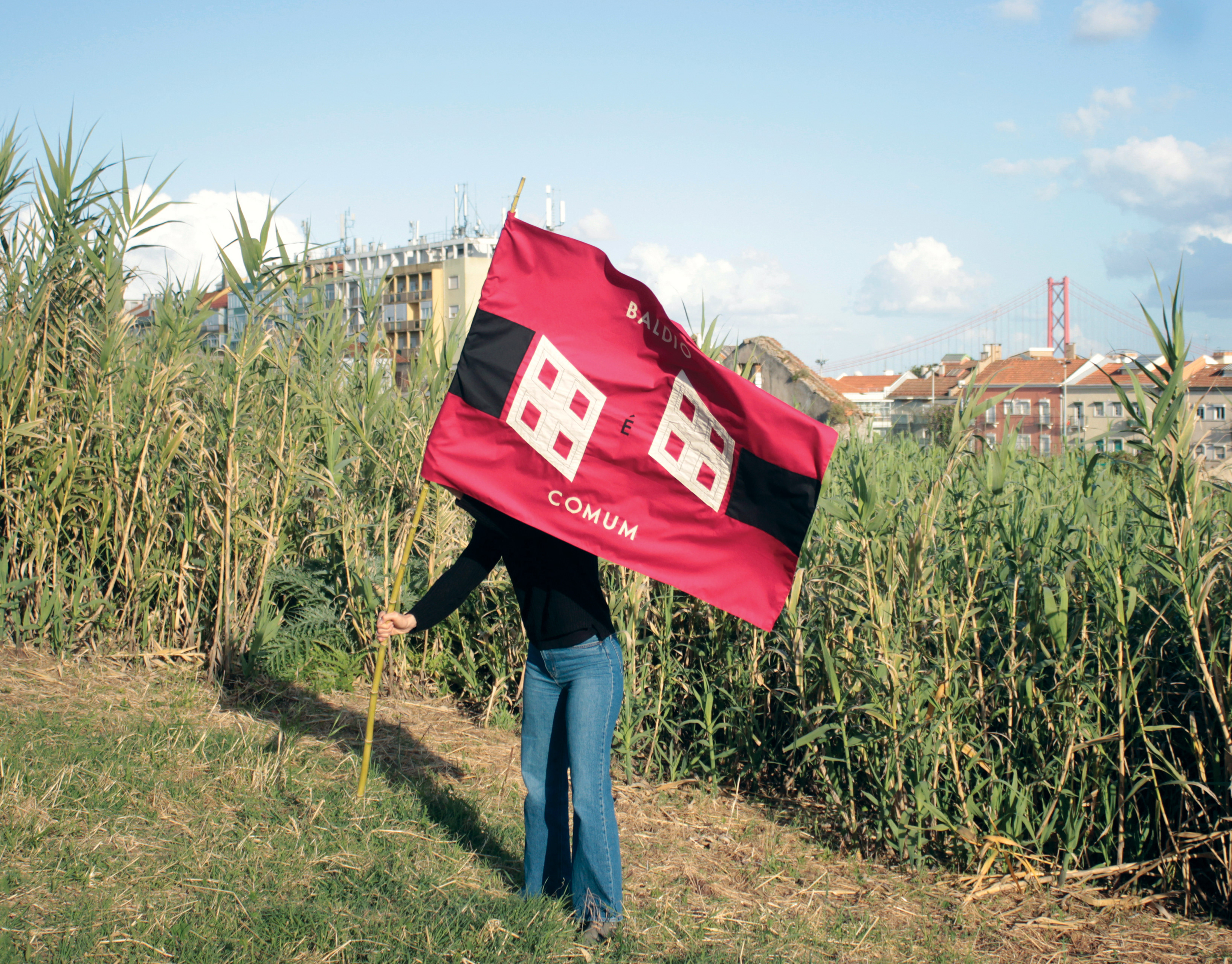
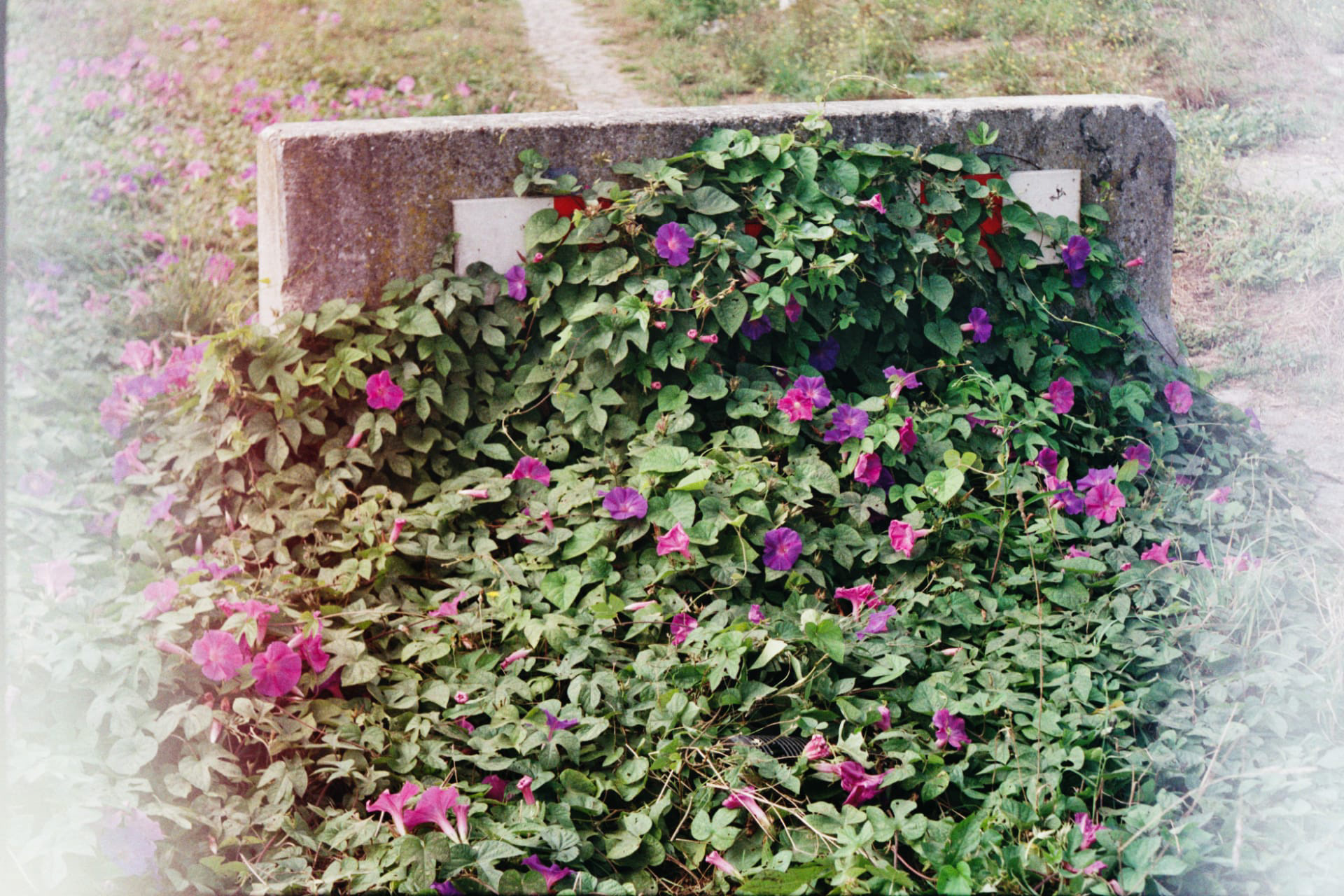
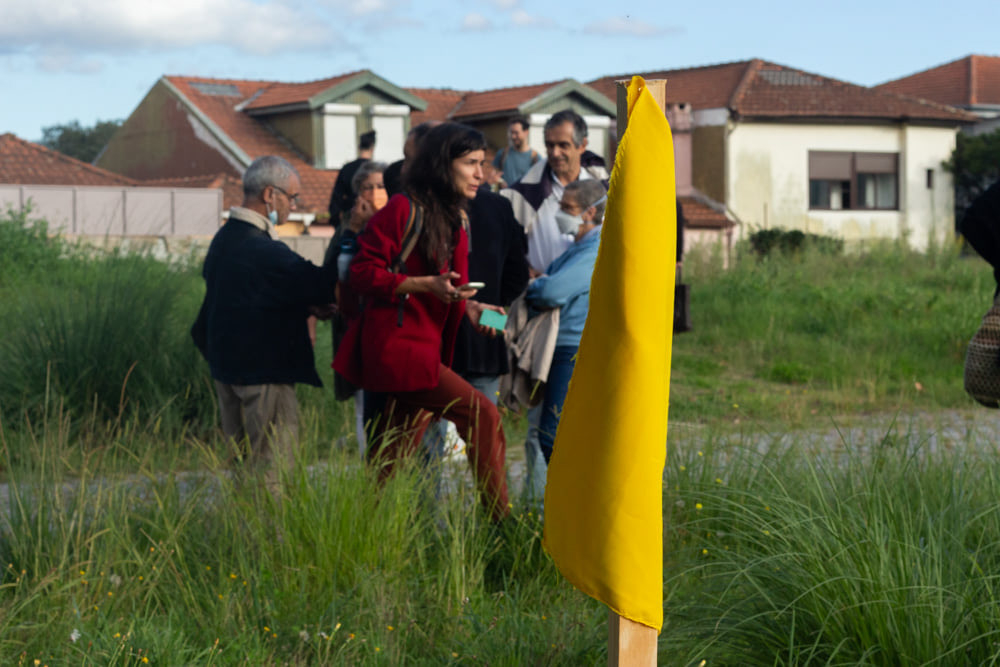
The walk Archaeology of the Void seeks to focus on the open ground while it still exists as such, presenting it to visitors through readings of the characteristics of the space and its movements of occupation and emptying. Along the route, marked by sound, spatial, and visual cues encountered by visitors as they move through the site, the space is conceived as a kind of archive. The ground is excavated to reveal traces and latent tensions in the trajectory of the place, seeking to highlight past movements, future expectations, and dynamics active in the present.
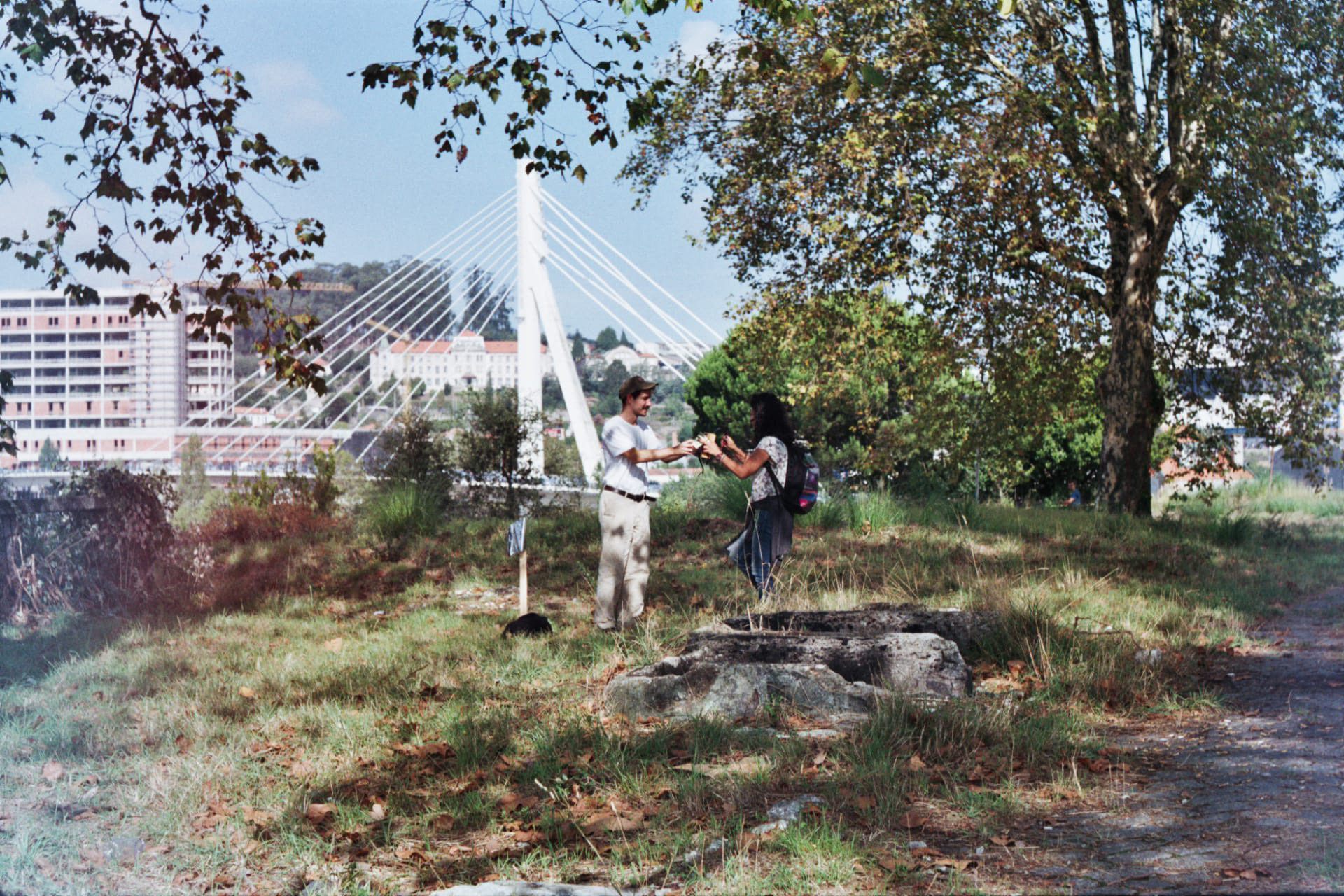
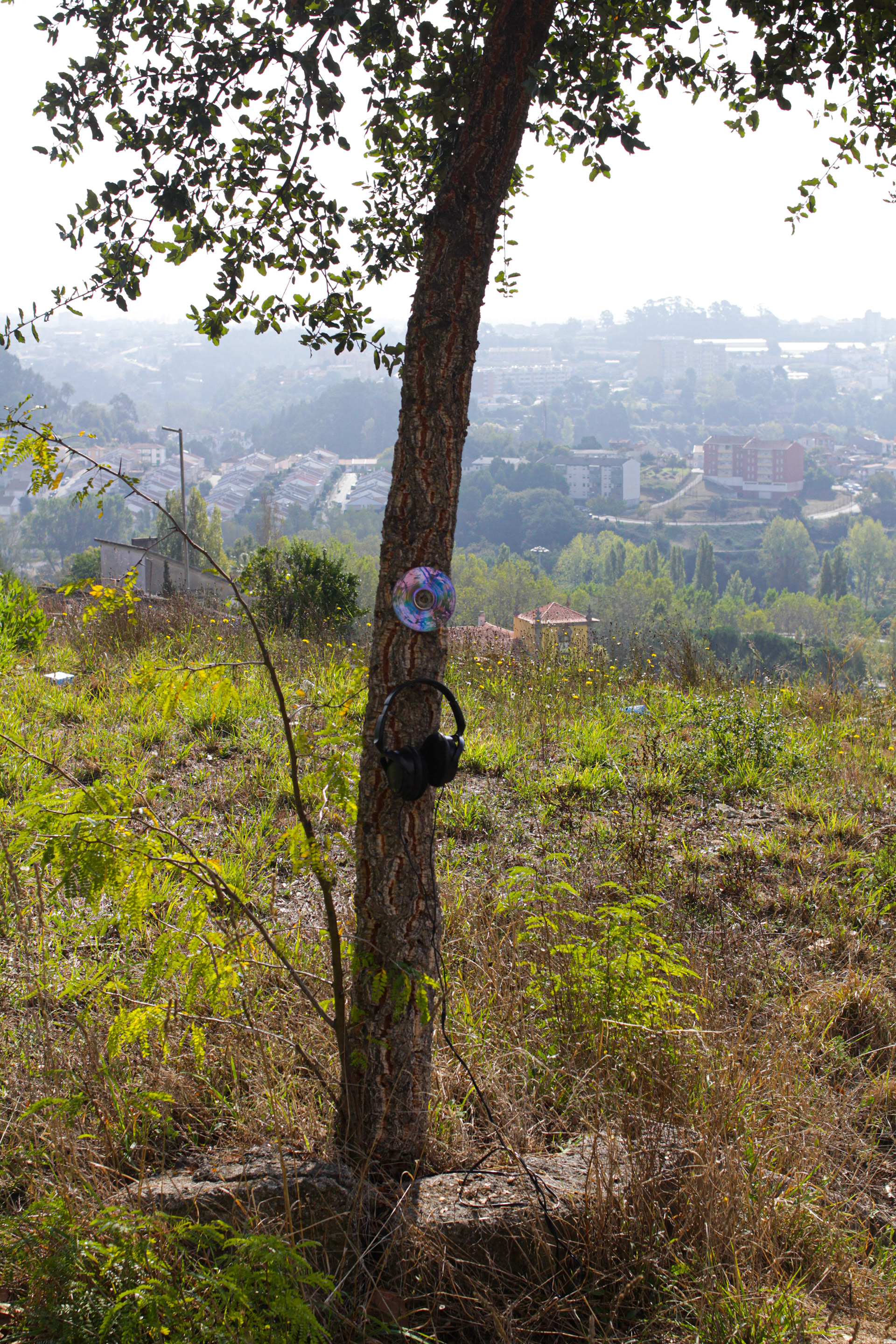
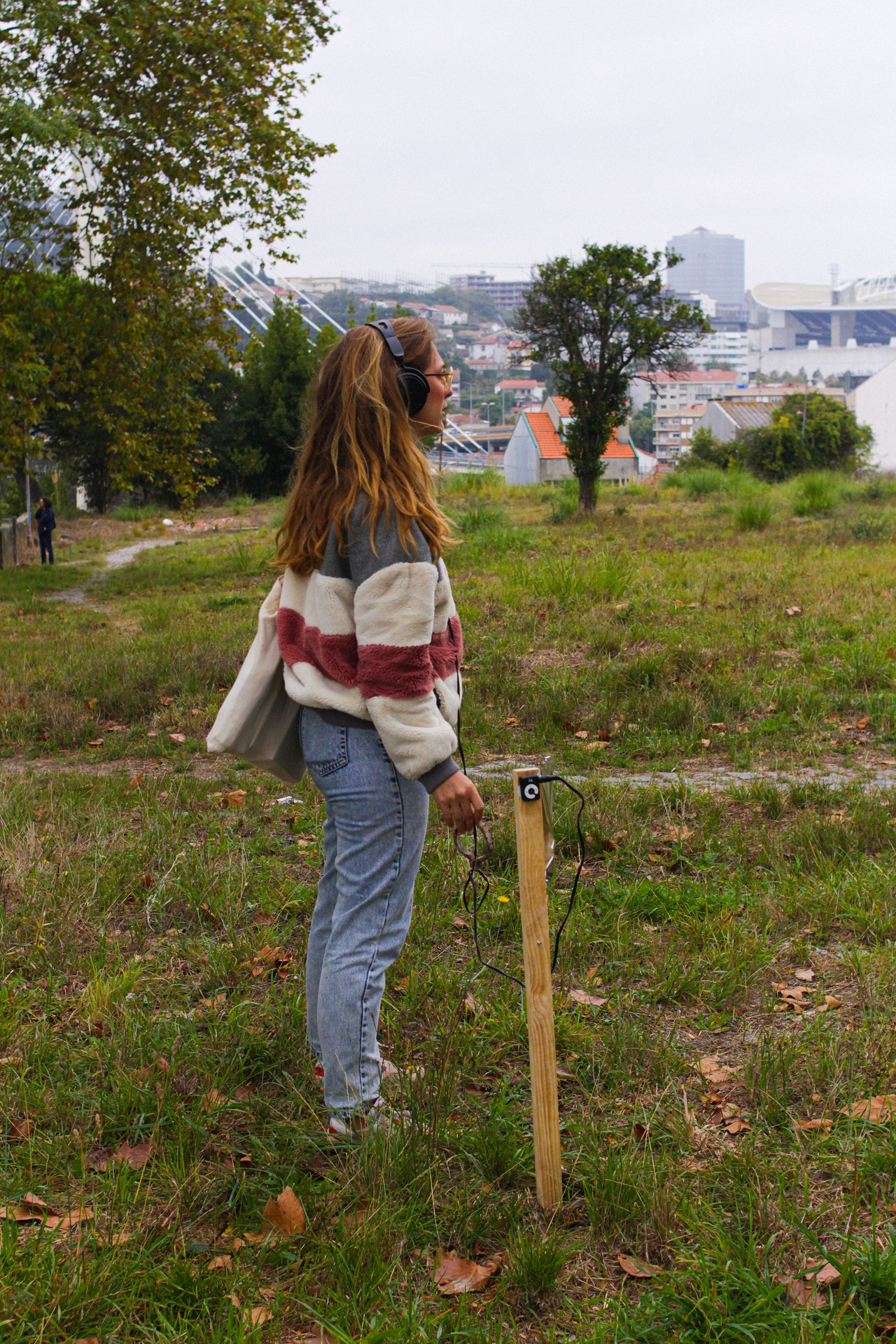
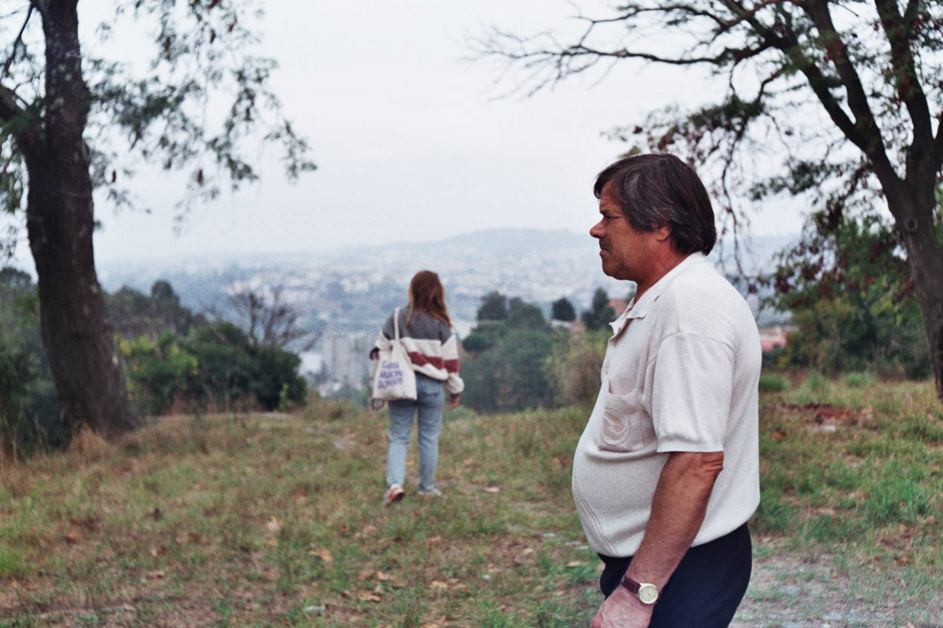
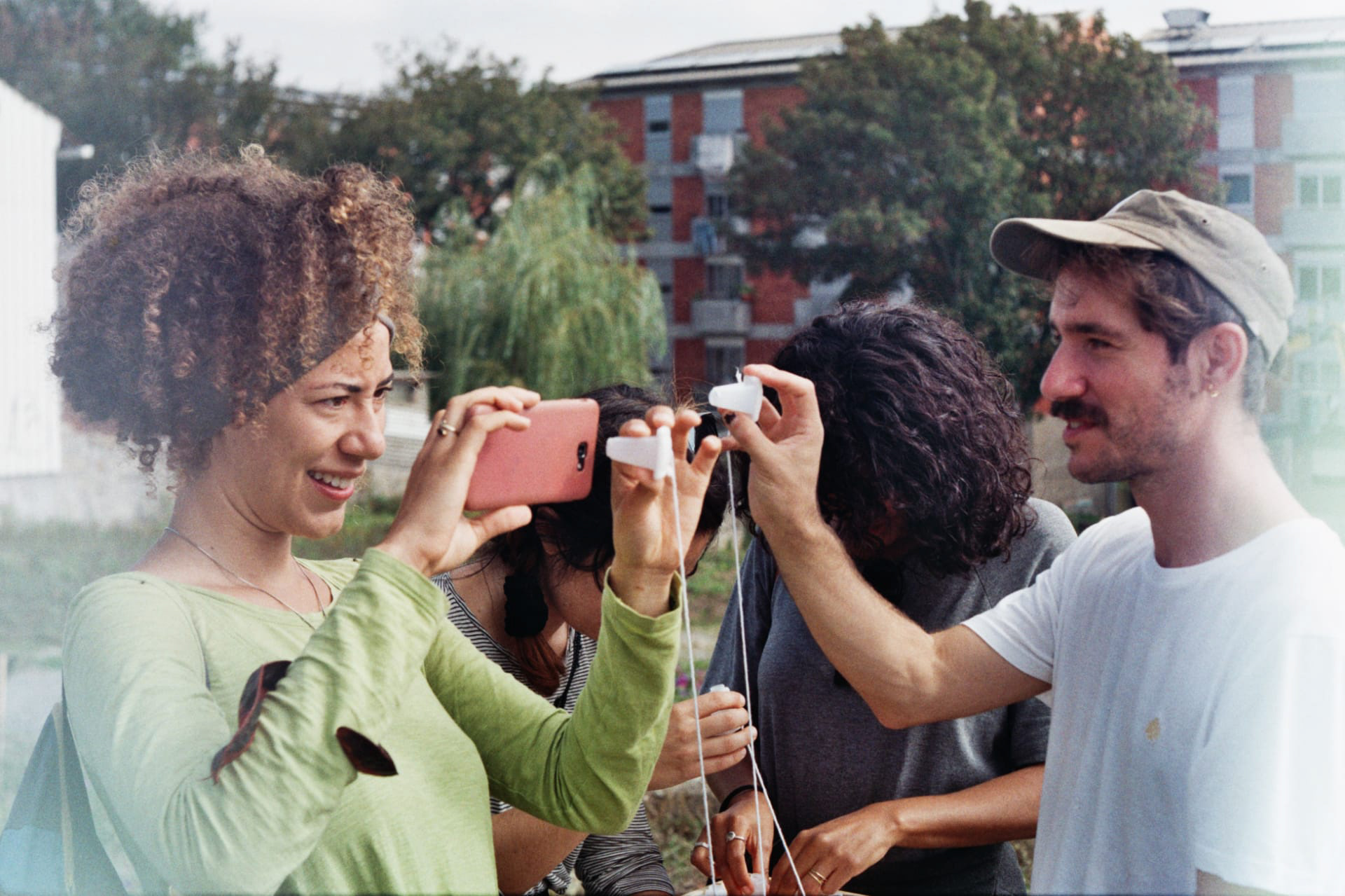
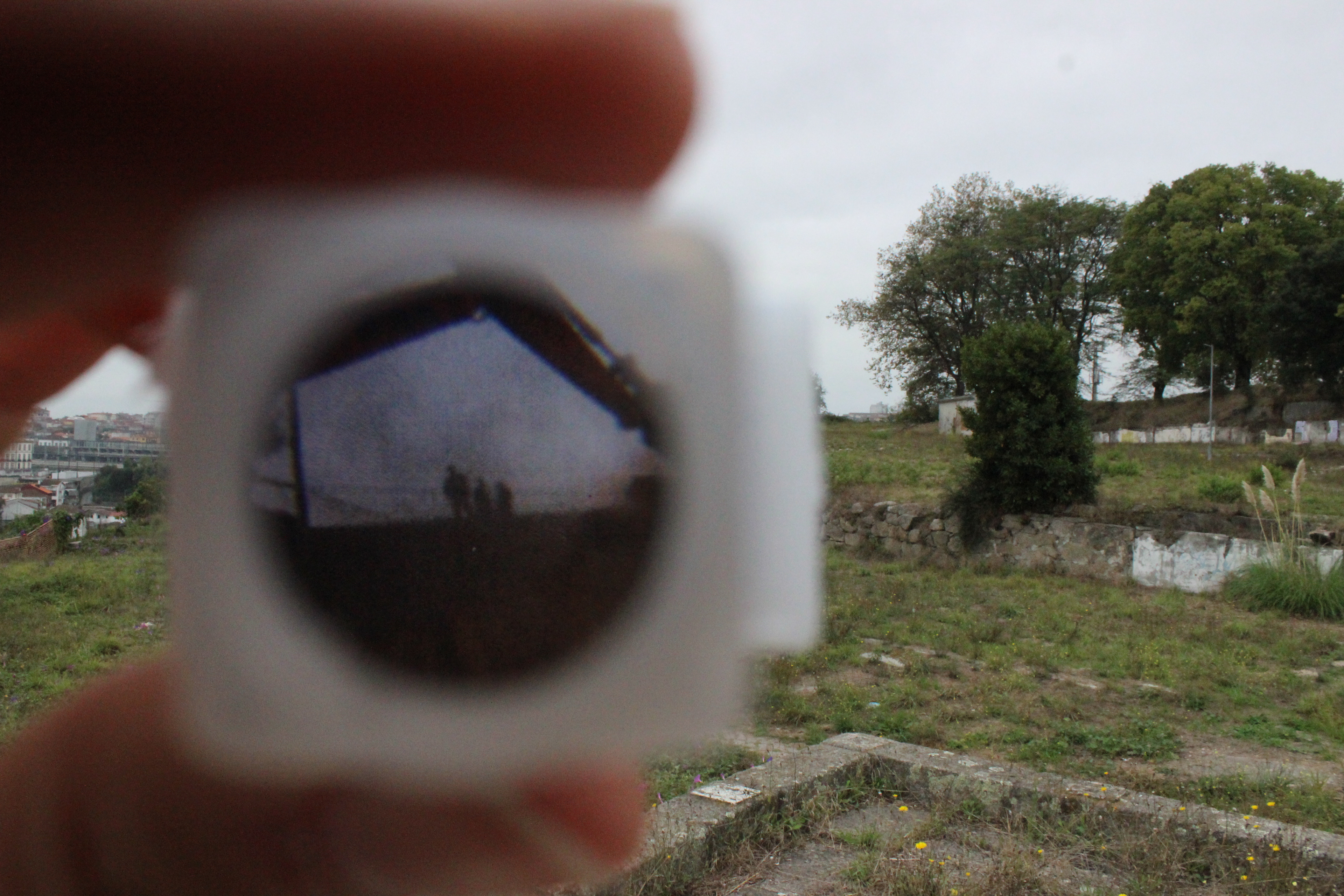
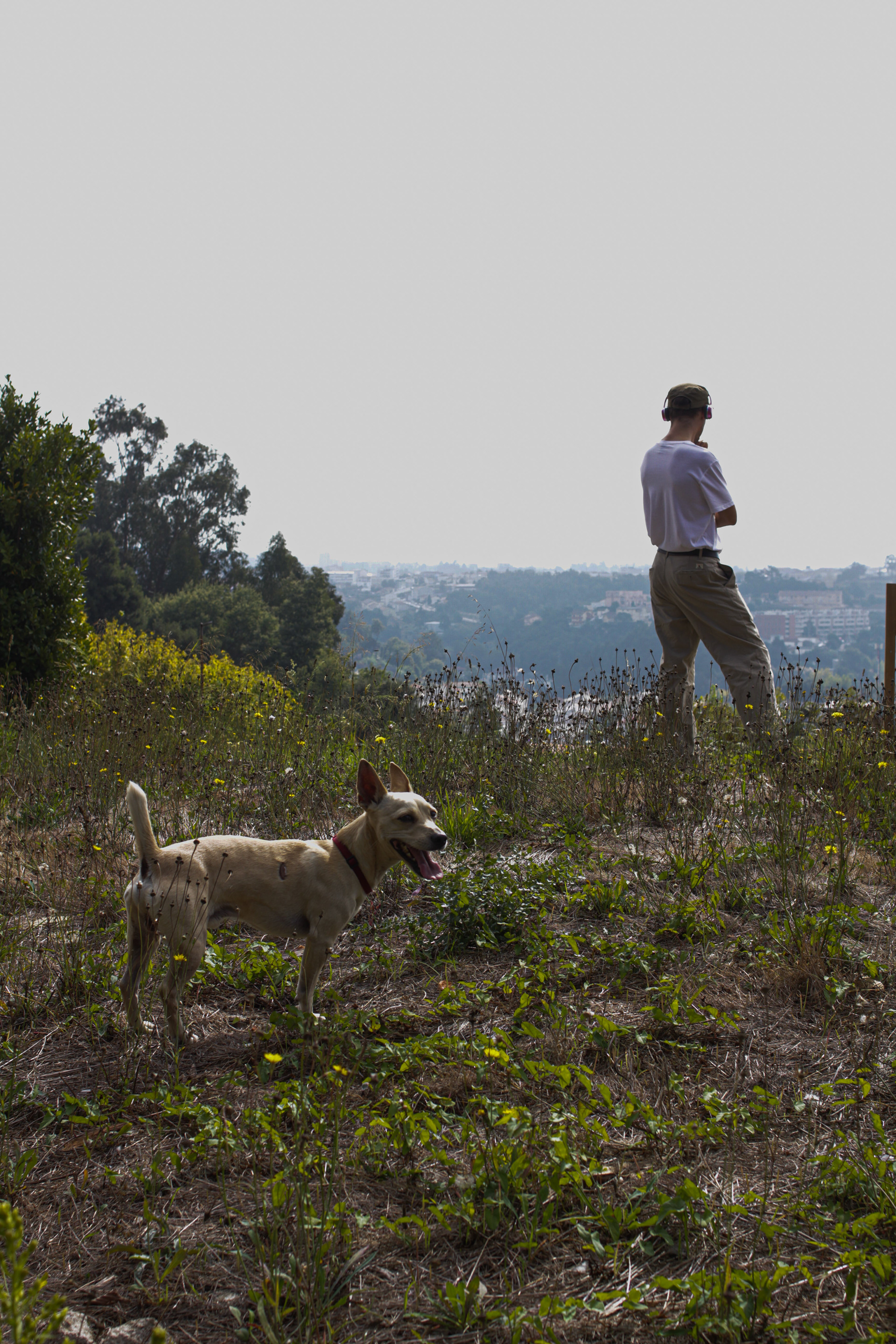
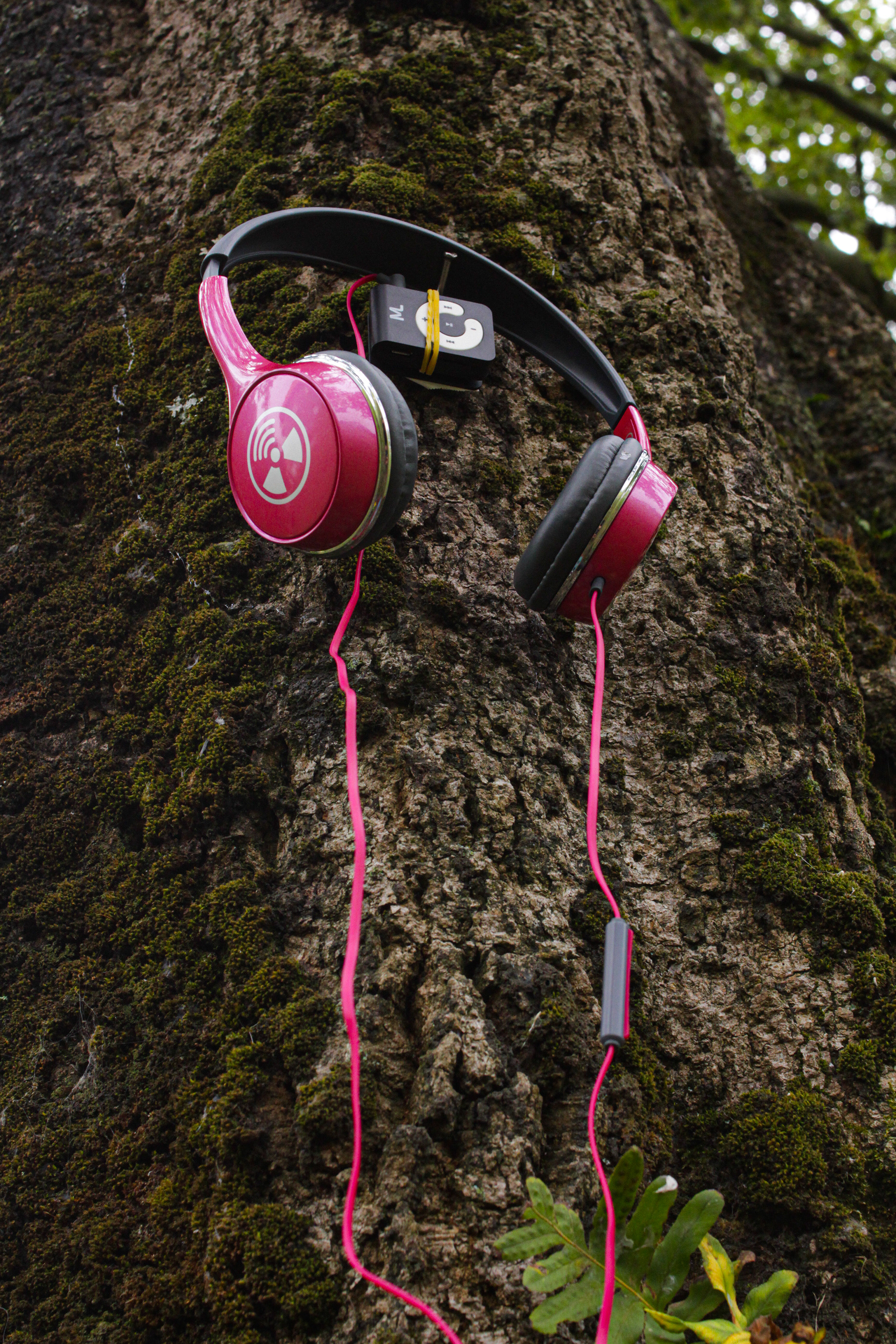
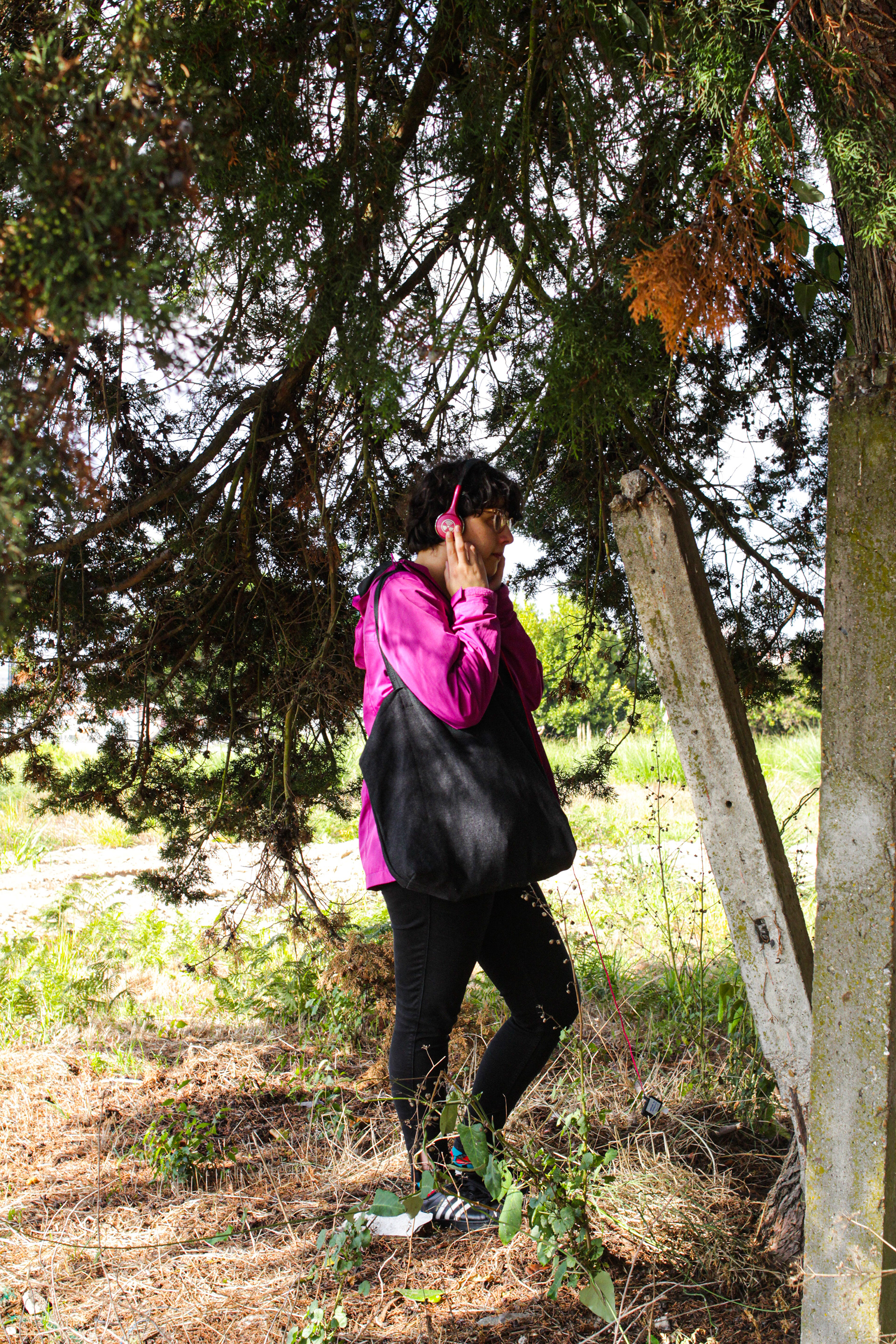
Photos by Maria Kemmer (2 a 9; 9; 11 a 15), Orlando Vieira Francisco (1) & Flora Paim (10)
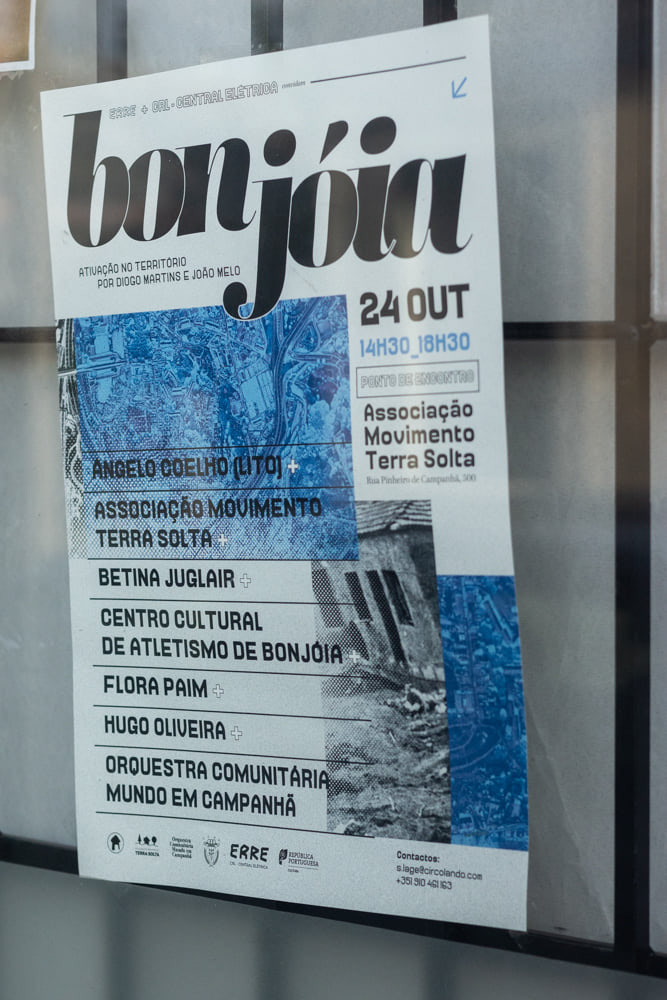
O percurso "Arqueologia do vazio" também foi apresentado em versão reduzida no projeto ERRE Bonjoia, proposta de ativação do território da Bonjoia (Campanhã/Porto) elaborada por Diogo Martins e João Melo para a CRL - Central Elétrica em Outubro de 2021.
Photos by Thiago Liberdade & Inês Costa
Created by
Flora Paim
Flora Paim
Production
Flora Paim e Laurem Crossetti (The (mis)guided Tours)
Production support The (mis)guided Tours
Isabeli Santiago e Alícia Medeiros
Flora Paim e Laurem Crossetti (The (mis)guided Tours)
Production support The (mis)guided Tours
Isabeli Santiago e Alícia Medeiros
Installation / set-up
Flora Paim e Miguel Vale
Graphic Design The (mis)guided Tours
Beatriz Alcantara
Photo & video documentationThe (mis)guided Tours
Maria Paula Kemmer
Flora Paim e Miguel Vale
Graphic Design The (mis)guided Tours
Beatriz Alcantara
Photo & video documentationThe (mis)guided Tours
Maria Paula Kemmer
Acknowledgements
Coletivo MAAD
Ângelo Coelho
João Moura
Joana Braga
Lis Paim
Leonor Parda
Miguel Vale
Kauê Gindri
Renato Machado
Sara Goulart
Sr. Carlos (Rancho Folclórico Danças e Cantares de Campanhã)
Coletivo MAAD
Ângelo Coelho
João Moura
Joana Braga
Lis Paim
Leonor Parda
Miguel Vale
Kauê Gindri
Renato Machado
Sara Goulart
Sr. Carlos (Rancho Folclórico Danças e Cantares de Campanhã)